
Flash Flood Watch vs. Warning
A flood watch means prepare. A flash flood warning means move now. Learn what each NWS alert means and why your phone may not alert you at all.
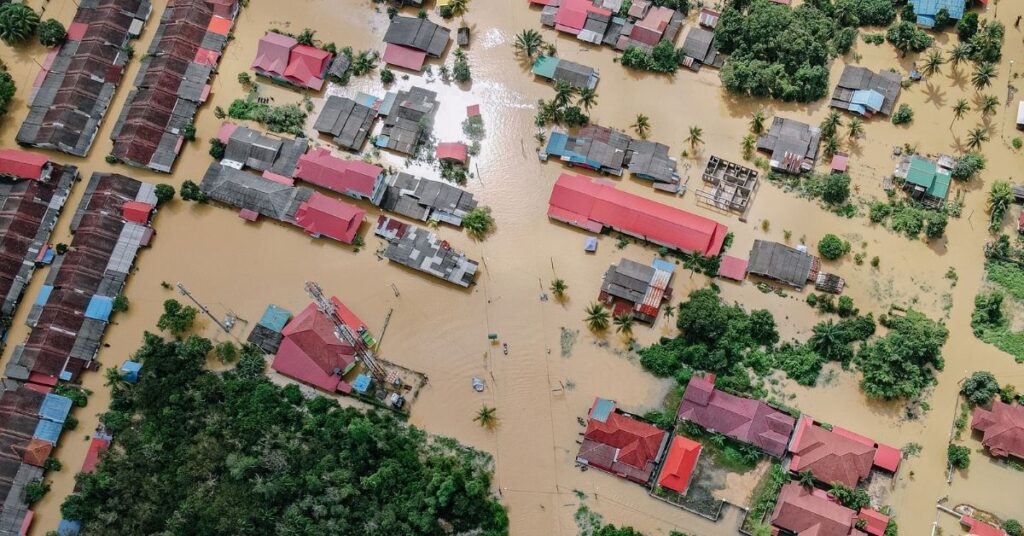
A flood watch means conditions could produce flash flooding, usually within the next several hours to a day, across a wide area. Flooding is possible, not certain. This is your window to prepare.
A flash flood warning means flash flooding is imminent or already happening in a much smaller area. If you are in a flood-prone area, move immediately to higher ground.
Watch means get ready. Warning means go.
Watch means get ready. Warning means go.
Watch vs. Warning At A Glance
What Is A Flash Flood Watch?
A flash flood watch indicates that there are ideal conditions for flash flooding, and the National Weather Service (NWS) wants you to be ready before anything starts. It is issued by your local NWS office and typically covers several counties at once.
A watch is not a report of flooding. It does not mean that flooding is certain in your particular spot, most of the area under a watch will see nothing, but the point is to give you lead time.
Issuing A Flood Watch
In November 2021, the NWS stopped issuing separate flash flood watches for heavy rain. Those events now fall under the flood watch instead. Flash flood watches were kept for two narrower cases: flooding from non-convective causes such as a dam or levee failure or an ice jam, and flooding or debris flows from heavy rain on burn scars and landslide-prone terrain.
Inside the alert, the Additional Details line contains the most useful information. It usually gives rainfall rates, and rate matters more than storm total. An inch and a half in one hour on saturated ground does more than three inches spread across a day.
What Is A Flash Flood Warning?
A flash flood warning means a flash flood is imminent or actively occurring. Flash floods develop in minutes to hours, and can happen in places not receiving rain at that moment. The NWS issues thousands of flash flood warnings a year, giving people around 30 minutes (with regional variance) of lead time before a flash flood occurs.
Why People Ignore Warnings
NWS’s Baltimore/Washington office puts the flash flood warning false alarm rate at a little over one in three. Warnings cover small areas on short notice, so forecasters would rather warn a few blocks too wide than miss the one that fills with water. A warning that misses your house may be doing its job two streets over.
What Is A Flash Flood Emergency?
A flash flood emergency appears as a headline near the top of an existing flash flood warning, reserved for rare cases with a major threat to life or catastrophic damage. Triggers include emergency managers confirming that rapidly rising water is placing people in life-threatening situations, or multiple swift water rescue teams being deployed.
If you see this wording, get to the highest floor of the sturdiest building you can reach and stay there.
Your Phone Might Not Alert You
You may still see safety guidance saying that every flash flood warning sets off an alert on your phone, but that is not always the case. Most warnings are issued without the higher-severity tag, which means most send no alert at all, so a silent phone is not proof that no warning is in effect. A Weather Radio, your local NWS forecast office page, or a weather app with county-level notifications turned on are additional options to receive warnings.
What to do at Each Stage
During a Flood Watch
- Fill and place barriers while the ground is dry and the light is good.
- Move vehicles and anything stored at grade to higher ground.
- Charge phones and check radio batteries.
- Decide where you would go and which route, then tell the household.
During a Flash Flood Warning
- Stop outdoor work, the time to place barriers is over.
- Move to higher ground without waiting to see water.
- Do not drive through flooded roads or walk into moving water.
- Keep listening, since warnings can get extended and upgraded.
During A Flash Flood Emergency
- Get to the highest floor of the sturdiest building available.
- Do not travel unless officials tell you to evacuate.
- Call for help if trapped, and signal from as high as you can reach.
Barriers Go Up During The Watch
Barriers only hold back water they’re placed ahead of. The hard part isn’t knowing that, its the timing, and the window is narrower than most people expect.
Larger TrapBag flood barriers are filled with sand, gravel, or concrete by a small crew with a loader or skid steer, so they need daylight, dry ground, and equipment access. For those, the trigger is the Weather Prediction Center’s Excessive Rainfall Outlook, which runs three days ahead.
TrapBag Home Defense systems are sized for the watch window instead to benefit property owners, business operators, and facility managers. The water-filled barrier fills by hand and holds back up to 16 inches when installed correctly. The aluminum plank system stacks into mounted channels at doors, garages, and loading docks. Neither needs heavy equipment.
Once a warning is issued, stop. Moving equipment in rising water is how people get hurt, and the water arrives faster than almost anyone expects.
Use TrapBag to Protect Your Property
The right barrier depends on what you’re protecting, and how much time you have to place it. A doorway or garage on a suburban lot is a different problem than a few hundred feet of shoreline or a road embankment, and the systems that suit each one are different too.
The TrapBag team can walk through your site and talk through what solutions make sense before the next flood watch.
FAQ
Is a flash flood warning worse than a watch?
Yes. A watch means conditions could produce flash flooding somewhere in a broad area over the coming hours, while a warning means flooding is imminent or already happening where you are. A watch is a signal to prepare, and a warning is a signal to move to higher ground immediately.
Will my phone alert me during a flash flood warning?
Not always. Only warnings tagged considerable or catastrophic send a Wireless Emergency Alert, and most warnings carry no tag. A silent phone does not mean no warning was issued, so pair it with a NOAA Weather Radio or an app that pushes county-level alerts.
What is the difference between a flood warning and a flash flood warning?
Both mean flooding is imminent or occurring, but on different timescales. A flash flood warning covers rapid flooding that develops within minutes to hours, often from heavy rain or a dam or levee failure. A flood warning covers slower flooding such as a river rising over days.
Can a flash flood happen when it is not raining where I am?
Yes. Water falling upstream travels downstream through creeks, rivers, and storm drains, so flooding can arrive in places with no rain overhead. Terrain, burn scars, and saturated ground all shorten the travel time.
Meet the author

Nick Fasano
Nick Fasano is Business Development Director at TrapBag®, where he oversees operations, growth strategy, and customer success. Since joining in 2018, he has helped lead projects across the U.S. and internationally, including deployments in Florida that protected infrastructure during Hurricanes Ian and Nicole.
Get the Dirt Before the Flood Hits
Stay ahead of flooding, erosion, and disaster response challenges. The Dirt, TrapBag’s monthly newsletter, delivers field-tested tips, real-world case studies, and the latest in barrier technology straight to your inbox.