
TrapBag® RFB120 at a Glance
The RFB120 is a connectable, geotextile lined cellular barrier built from dual layer, heavy duty, non woven, permeable polypropylene fabric. Each unit unfolds from a pallet, is placed in line, and is filled in cells with permeable ballast such as sand or gravel. Once the threat passes, the bags are emptied and lifted out by their straps for storage and redeployment.
The RFB120 is designed for situations where the same barrier line needs to come back year after year, or where the site cannot be left with permanent fill in place after the event.
The TrapBag® RFB120 is patent pending.
Available Configurations
The RFB120 is available in multiple configurations to match the protection level required for the site. Final selection is determined based on water depth, footprint, and project requirements. Contact us to discuss which configuration is right for your application.
Why Use the RFB120
- Reusable across multiple deployments.
- Flat packed and palletized for compact storage and fast logistics.
- No internal metal frame, no welded mesh, and no rebar required.
- D rings included for anchoring and intercell connection.
- Bottomless, mesh free design lifts out cleanly once cells are emptied.
- High UV resistance for prolonged outdoor exposure.
How to Deploy the RFB 120
The RFB 120 was built for fast setup and just as fast removal. Each unit ships flat-packed and can be installed by a small crew wherever flood or erosion protection is needed.
-
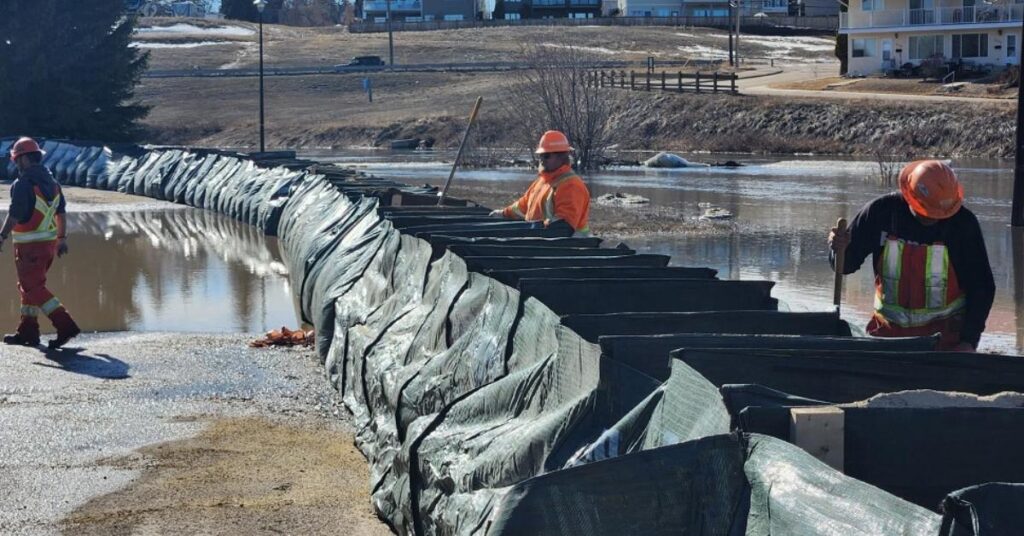
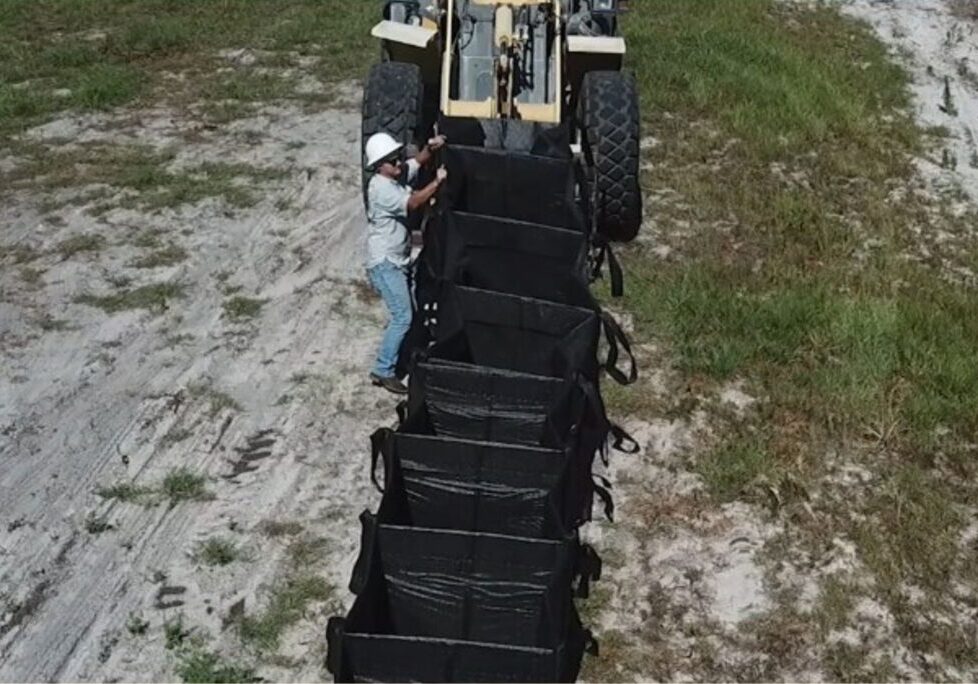
Unfolding: Pull the flat-packed RFB 120 out and unfold it on site. Each unit opens to 4 ft x 4 ft x 15 ft, with five connected cells ready to fill.
-
Filling: A front-end loader, skid steer, or other appropriate equipment can fill each cell with permeable ballast material. We recommend sand or gravel.
-
Customization: Connect units end-to-end using the built-in D-rings and stack additional rows when a taller barrier is called for.
-
Removal: When the job is finished, lift each unit out by the straps with a spreader bar. The bottomless, mesh-free design lets the fill drop out so the site can be cleared quickly.
Who Uses Reusable Flood Barriers
The RFB 120 was built for the industries that face flood and erosion risk year after year. Here’s where it shows up most often:
Emergency Management
Response teams pre-stage RFB 120 units in flood-prone areas, deploy them in minutes when a storm hits, and redeploy them across multiple events without buying new inventory.
Learn More »Civil Engineering
Engineering firms spec the RFB 120 into flood control, dewatering, and erosion projects that need a temporary barrier with documented load performance and clean removal at project end.
Learn More »Infrastructure Protection
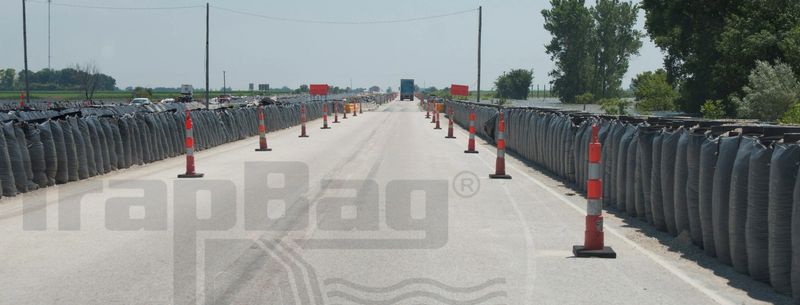
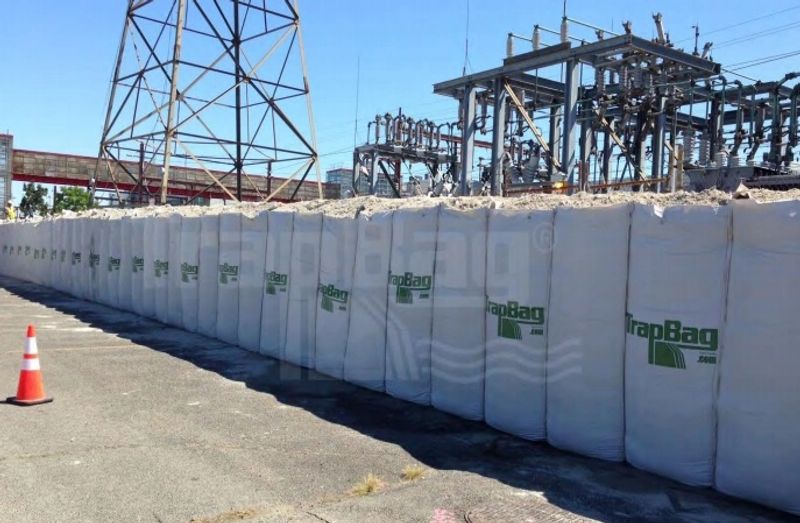
Companies and agencies use the RFB 120 to protect power substations, water treatment plants, data centers, and other facilities from flood damage, then recover and store the same units for next season.
Learn More »Projects
How the RFB 120 Compares To:
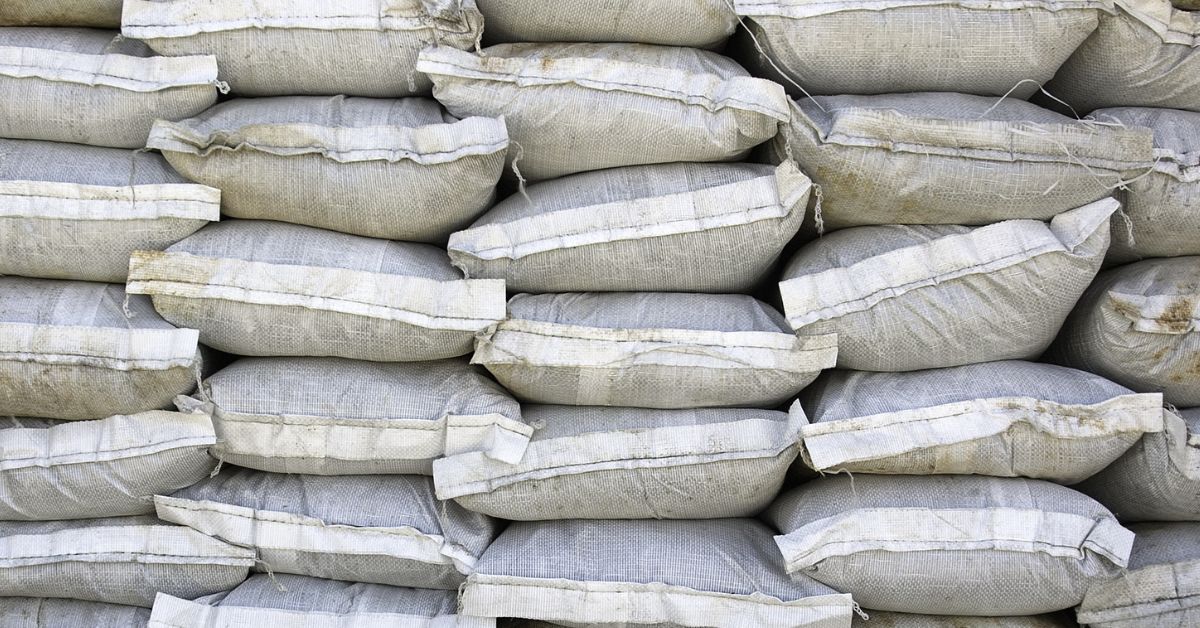
Sandbags have been used for flood protection for thousands of years. They’re cheap, widely available, and effective when installed correctly. The trade-off is that they’re labor-intensive to fill, almost always single-use, and prone to failure under sustained water pressure.
The RFB 120 deploys faster, performs under heavier load, and comes back out for reuse. A small crew with a skid steer or front-end loader can have a full 15-foot section in place quickly, and the bottomless design means the same units can be redeployed for the next event.
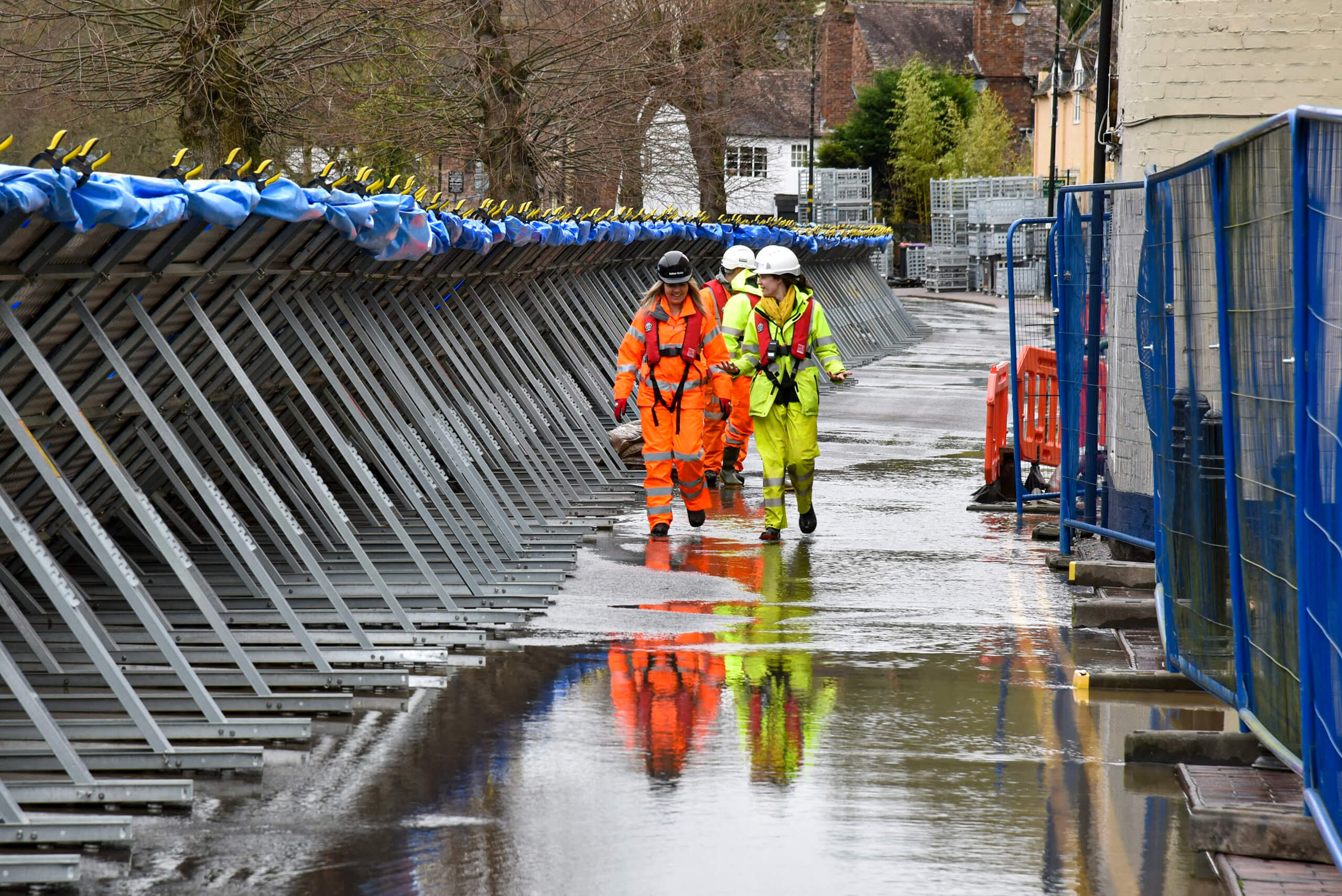
Aluminum flood walls are lightweight and useful for diverting water around facilities like sewer systems and water treatment plants. They’re not built to stack, though, which limits their usefulness when water rises higher than expected. If water overtops the wall, the barrier can fail.
The RFB 120 was engineered for stacking. When a taller barrier is needed, units stack and connect with built-in D-rings, so crews can build up wall height before the water gets there.
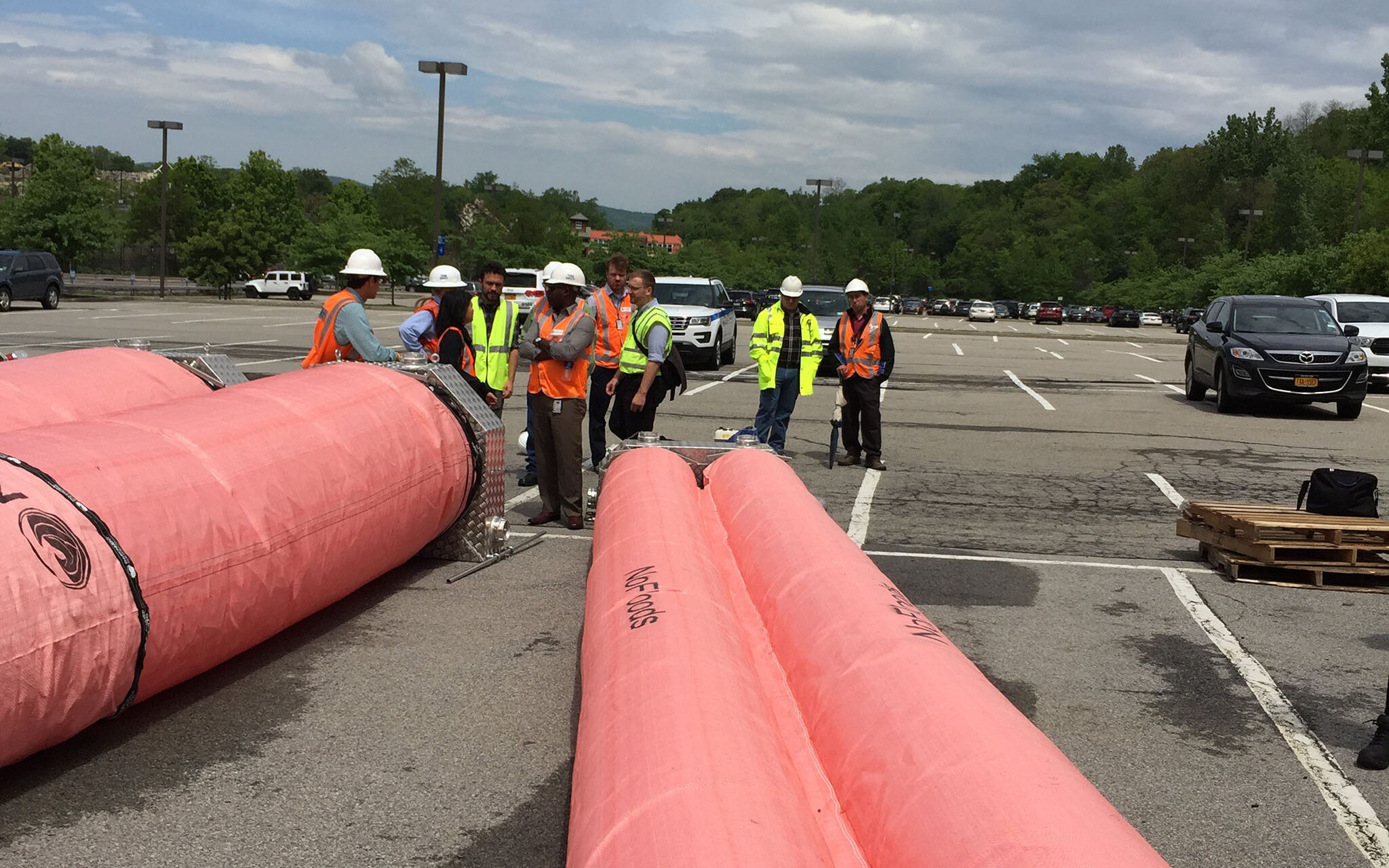
Water-filled barriers use the weight of water inside a tube to hold back floodwater on the outside. They’re reusable and quick to deploy when you have notice. The trade-off is that the outer membrane is vulnerable to punctures from debris, which is common during river floods and storm surge events.
The RFB 120 is also reusable, but its dual-layer non-woven polypropylene shell handles debris far better than a single thin membrane. The RFB 120 is also tested by the U.S. Army Corps of Engineers, which most water-filled systems can’t claim.
Frequently Asked Questions (FAQ)
The RFB 120 is reusable. Its bottomless, mesh-free design lets crews lift the units out, empty them, and redeploy them for future events, while standard TrapBags are typically a one-time install.
Each cell is filled with permeable ballast material, usually sand or gravel. A single unit holds about 9 cubic yards of fill across its five connected cells.
A small crew with a front-end loader, skid steer, or similar equipment can deploy a 15-foot section within minutes. The unit ships flat-packed and unfolds on site before filling.
Yes. Units connect with built-in D-rings and stack in rows, so you can build the height you need for higher water or levee reinforcement.
The bottomless design lets crews lift each unit out by its straps with a spreader bar. The fill drops out as the unit is raised, so the site clears quickly.
Each unit measures 4 ft x 4 ft x 15 ft and is made up of five connected cells. Multiple units connect end to end to cover longer runs.
With proper handling and storage between deployments, units can be used across multiple flood seasons. The dual-layer polypropylene fabric and high UV resistance hold up to repeated use and sun exposure.
Yes. The RFB 120 is available on GSA Advantage under contract 47QSMS26D0024, which covers flood barriers, erosion barriers, and cofferdams.
About the TrapBag Team
TrapBag was first designed in 2004 by founder Everett “Buzz” Waid as an improved alternative to traditional flood control after a hurricane devastated his Florida community. The RFB 120 is the reusable evolution of that original design, built on the same dual-layer geotextile system and engineered for repeat deployment across multiple events.
Property managers, engineers, and emergency response teams around the world rely on the TrapBag team for support through projects and emergencies alike. Our team is on call outside of standard business hours, because flood events don’t wait. We ship across multiple countries and continents, and the RFB 120 is available on GSA Advantage under contract 47QSMS26D0024.
