
A Guide to Water Barriers
An effective water barrier will protect your home or business from flooding. Find out which flood barrier is right for your property.
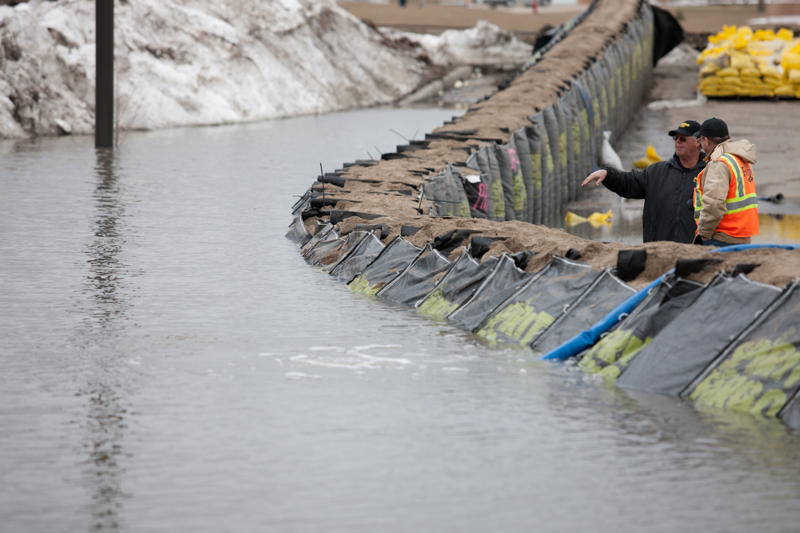
An effective water barrier can protect your home or business from a flooding disaster. They can also be used to contain water or chemical spills during construction and other commercial projects. Find out how to build a great water barrier for your property, and why TrapBags® are an excellent choice.
What Are Water Barriers?
A water barrier is a device used to stop approaching floodwater from encroaching on your property. Each type of flood barrier will differ depending on its size, shape, and fill material. Some flood barriers are small and meant to keep minor floodwater from coming through the gap in your door. Other water barriers can form entire seawalls or hold back several feet of water from a flooded river or storm surge.
Water Barriers vs. Water-Filled Barriers: What’s the Difference?
The term ‘water barrier’ can occasionally be mixed up with ‘water-filled barriers’. For instance, some large plastic barriers used to control crowds or impede traffic can be filled with water to give them weight while making them easy to transport.
Different Types of Flood Protection Barriers
Sandbag Water Barrier
Sandbags or gravel bags are a popular choice for water or flood barriers because they are relatively inexpensive and can be found at many hardware stores. Their small size makes them a good choice for setting up water barriers to protect homes, garages, or yards against minor flooding from stormwater. But they are inefficient for large projects such as levees and seawalls.
Concrete Flood Barriers: A Long-Term Option for Serious Flood Protection
Concrete flood barriers stand out as one of the most durable choices for property owners who want lasting protection against rising water. Unlike temporary sandbag walls or inflatable dams that need to be deployed and replaced, a properly built concrete barrier stays in place year after year and can handle repeated flood events without losing its structural integrity.
Why Concrete Holds Up Against Heavy Floodwaters
Concrete has a natural density and weight that make it well-suited for blocking fast-moving water. When floodwaters push against a barrier, the force can be significant, especially in areas that see storm surge, hurricane flooding, or flash flood conditions. A concrete wall built to the right thickness and height resists that pressure far better than lighter materials.
The material also holds up against debris impact. Floodwater rarely carries just water. It often brings branches, vehicles, building materials, and other objects moving at speed. Concrete absorbs those impacts without puncturing or tearing the way fabric or plastic barriers might.
Concrete is also resistant to water damage itself. It does not rot, warp, or corrode the way wood or untreated metal can, which means a well-built concrete barrier keeps performing year after year with minimal upkeep.
Building a Concrete Flood Barrier the Right Way
Construction quality makes or breaks a concrete flood barrier. A poorly poured or under-reinforced wall can crack, shift, or fail under flood pressure, so the build process matters as much as the material itself.
Most effective concrete flood barriers include:
A proper foundation that extends below grade to anchor the wall and prevent water from undermining it
Steel reinforcement (rebar) inside the concrete to add tensile strength
Adequate thickness and height based on the expected flood level in your area, plus a safety margin
Waterproof sealing at joints and seams where water could otherwise seep through
Drainage considerations so water does not pool against the barrier during normal rainfall
Working with a contractor who understands local flood data and building codes matters here. Flood zone maps, historical high-water marks, and anticipated future flood levels should all factor into the design.
Using Bags to Shape Concrete as You Pour
One flexible method for building a custom concrete flood barrier involves using specialized bags to shape the concrete while it is being poured. These bags act as a form that conforms to the landscape, then hardens into a permanent wall once the concrete cures.
This approach works well for properties with uneven terrain, odd angles, or tight spaces where a traditional formed wall would be difficult to install. The bags can curve around obstacles, follow a property line, or wrap around existing structures. Once the concrete sets, you are left with a barrier shaped specifically to your site.
Some of the advantages of the bag-formed approach include:
Custom fit to your property, without the need for extensive site preparation
Faster installation compared to building traditional wooden forms
Stackable design options that allow barriers to be built up in layers for added height
Reduced material waste since the bag contains the concrete precisely where you want it
For homeowners and business owners in Southwest Florida dealing with tropical storm flooding, king tides, or seasonal heavy rain, this method can protect vulnerable points like doorways, garage entries, and low-lying sections of the property line.
When a Concrete Flood Barrier Makes Sense
Concrete barriers are a strong choice if:
You live in a designated flood zone with a history of repeated flooding
Your property has a predictable water entry point that can be blocked off
You plan to stay in the home or building long-term and want a one-time investment
You need protection that works even when you are not home to deploy it
They are less practical for renters, short-term property holders, or situations where aesthetics around the property must stay untouched, since a concrete barrier is a permanent addition to the landscape.
Pairing Concrete Barriers with Other Flood Protection
A concrete flood barrier works best as part of a layered approach. Even the strongest wall has limits, and combining it with other measures gives your property the best shot at staying dry. That might include:
Flood vents in garage and basement walls to relieve hydrostatic pressure
Elevated utilities and mechanical systems
Backflow valves on sewer lines
Landscape grading that directs water away from structures
Temporary barriers for doorways or openings that stay in use during normal weather
Talking with a flood mitigation specialist about how a concrete barrier fits into your overall protection plan helps make sure every dollar you spend works together.
Water-Filled Barriers
Like sandbags, water-filled barriers are a great choice for preventing minor flooding from getting into your yard or into the foundations of your home. Many water-filled barriers are built in a tube shape to create a barrier several inches high. However, like sandbags, water-filled barriers lack the size and weight necessary to hold back large-scale floodwaters.
TrapBag Water Barriers
TrapBags are an excellent option for large-scale flood protection barriers that can be filled with sand or washed gravel for a temporary barrier and concrete for a permanent one. TrapBags work similarly to sandbags, except they are specifically engineered to be far more efficient. They have been used as seawalls, stormwater containment barriers, cofferdams, and levees. The flexibility of TrapBag’s design also makes them a great choice for riverbank and dune stabilization, as well as spill containment.
How to Use a Water Barrier for Flooding Protection
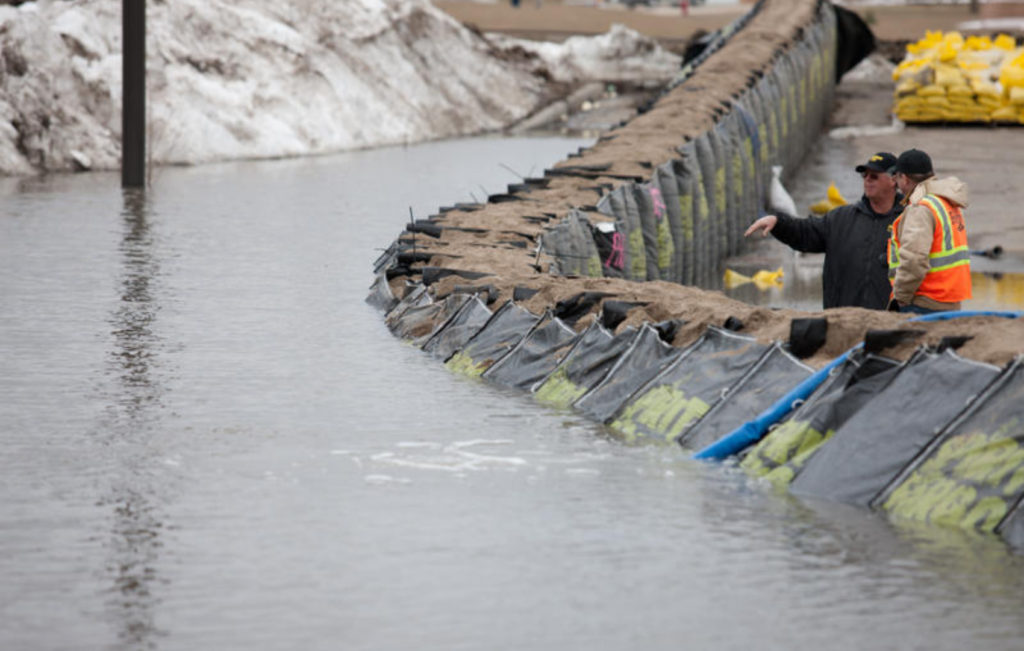
The first factors to consider when placing a flood barrier are determining where the floodwaters will come from, how much water there may be, and which areas need to be protected. Think back on previous flooding incidents, or just cases of heavy rainfall, and determine where water was pooling and collecting. You may also want to research historical floods that occurred in your area to get a sense of how high the water might get.
Effectively placing flood barriers can take considerable time and effort, depending on the size and type of the barrier. TrapBags use 40% less fill material than sandbags, and a single, 100-foot section of 4-foot-tall TrapBags can replace 8,000 sandbags. However, due to TrapBag’s open-top fill design, a small team using a front-end loader can build a TrapBag water barrier in just a few hours.
If you’re looking for expert advice on how to deploy effective flood barriers to protect your property, you can always reach out to our expert staff.
Why Choose TrapBag?
TrapBags are an affordable, efficient, and fast-acting way to create an effective water barrier. They are designed from high-strength textiles with a pentagon-shaped structure that makes them easy to fill and also helps them create a strong barrier against floodwaters. TrapBag water barriers work like an accordion, with each cell sharing a common wall with the next. Even if a bag is compromised, the rest of the barrier will continue standing strong.
Get Flood Protection with TrapBag
Want to see which TrapBag water barrier solutions we have available? Stop by our shop, or give our staff a call at (239) 674-6611.
Meet the author

Kevin Vigne
Kevin Vigne is Sales Director at TrapBag®, where he connects customers with the right barrier systems for their projects. He’s often the first point of contact, helping agencies and organizations simplify the process of flood protection, erosion control, and more.
Get the Dirt Before the Flood Hits
Stay ahead of flooding, erosion, and disaster response challenges. The Dirt, TrapBag’s monthly newsletter, delivers field-tested tips, real-world case studies, and the latest in barrier technology straight to your inbox.