
Choosing the Best Flood Control Methods
Explore reliable flood control systems and measures. Learn about modern flood protection structures, techniques, and TrapBag’s deployable barrier solutions.
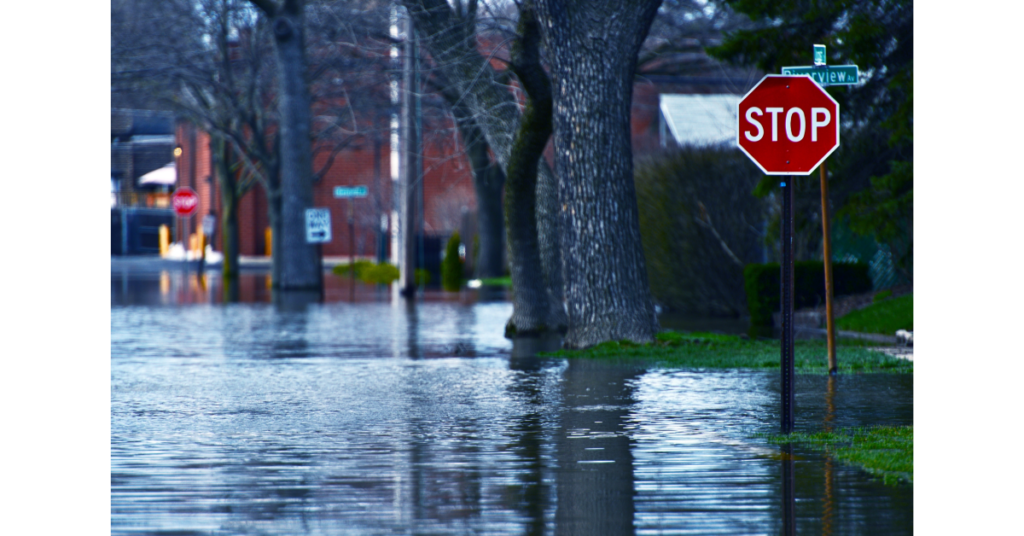
As flooding events become more frequent and severe, the demand for reliable flood control systems continues to grow. Every community—from coastal towns to inland cities—needs effective flood control methods to protect people, infrastructure, and natural environments.
This guide explores both traditional and modern flood control techniques, highlighting how municipalities, engineers, and contractors can combine practical flood control measures to create long-term solutions to flooding.
Traditional Flood Control Methods
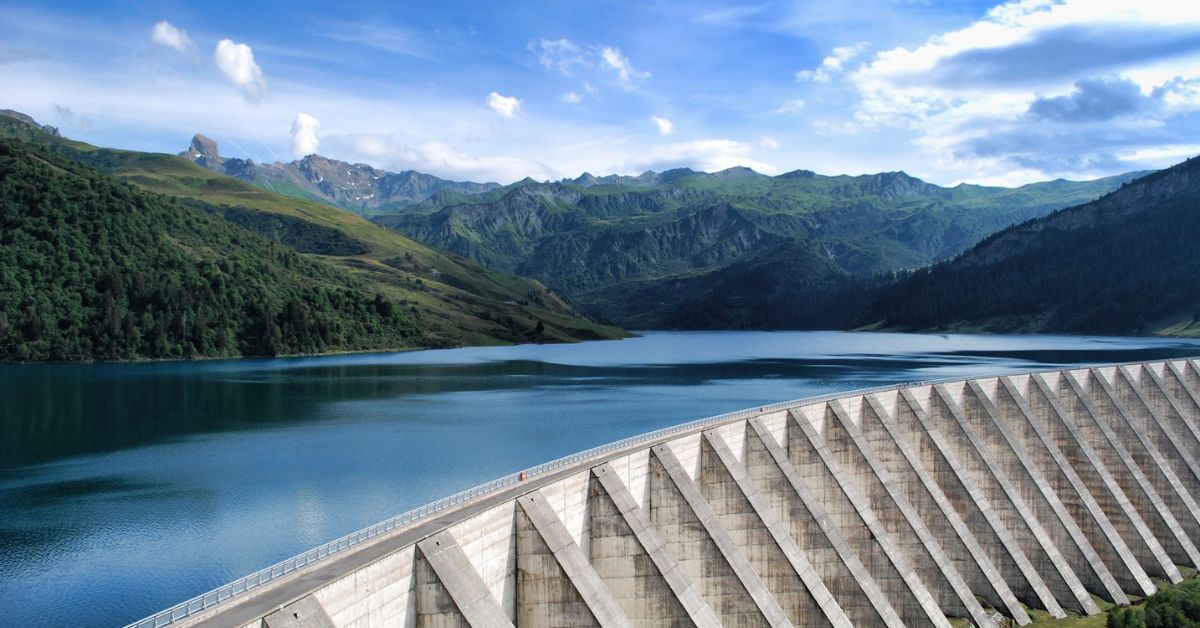
Dams
Among the most recognizable flood control structures, dams are built to store and regulate large volumes of water. They hold back excess flow during heavy rainfall and release it gradually downstream. While dams remain an important part of many flood control systems, they can disrupt ecosystems and displace communities, making them less feasible for new projects in sensitive areas.
Flood Walls & Seawalls
Concrete and steel flood walls are permanent flood protection structures that prevent water from inundating populated zones. These are often found along riverbanks or coastlines. While highly effective, they can be costly to build and maintain. Deployable or modular barriers—like TrapBag cellular barriers—offer a faster and more adaptable alternative for many applications.
Dredging
Dredging removes sediment and debris to restore a waterway’s depth and flow capacity. When performed responsibly, it’s an important flood control measure that improves drainage and reduces overflow. However, dredging must be carefully managed to avoid disturbing aquatic habitats or releasing buried contaminants.
Levees
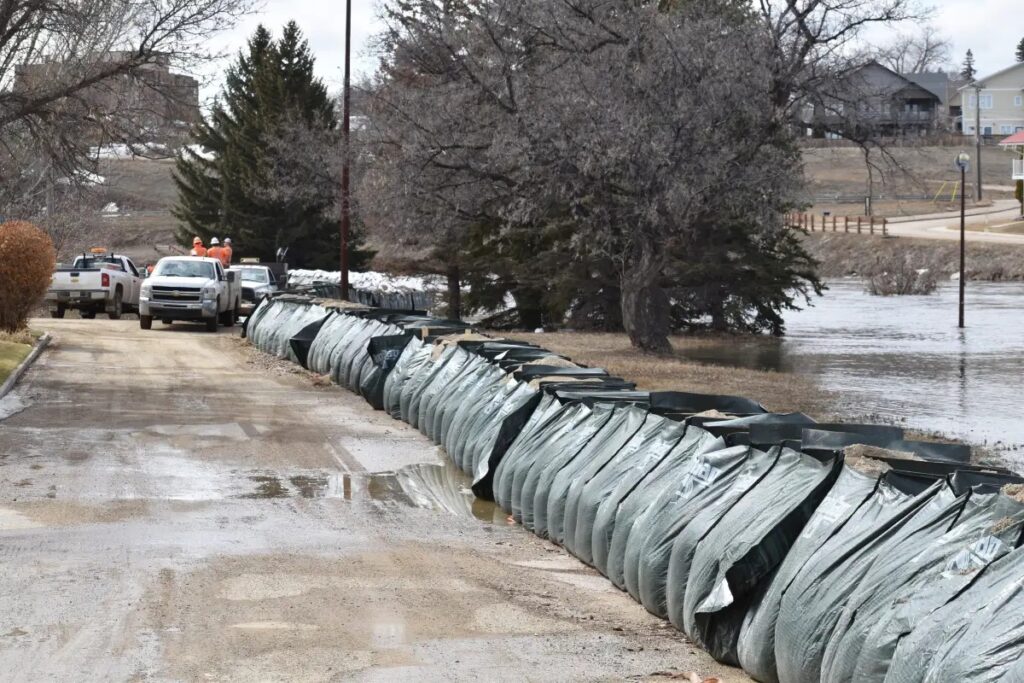
Levees act as embankments along rivers to contain floodwaters. They can be constructed using soil, sand, or engineered materials like woven polypropylene. Temporary levees made with TrapBag barriers provide a faster, more affordable method to strengthen riverbanks or reinforce existing flood defenses during rising water events.
Floodplains
Floodplains act as natural buffers, absorbing and redirecting excess water during floods. Protecting and restoring floodplains through proper zoning and land management remains one of the most sustainable flood control methods. However, increased urbanization can limit their availability, making engineered solutions more important than ever.
Modern Flood Control Methods
Flood Sensors & Monitoring Systems
Modern flood control methods increasingly rely on technology. Smart flood sensors monitor water levels in real time, sending alerts to local authorities when thresholds are reached. This data-driven approach improves emergency preparedness and helps optimize flood control structures and early response.
Green Infrastructure
Green infrastructure integrates natural processes into flood control measures using vegetation, bioswales, and permeable surfaces to absorb stormwater. This sustainable method reduces runoff, improves water quality, and enhances urban landscapes. Cities often combine green infrastructure with deployable barriers for greater protection.
Fast-Deployable Flood Barriers
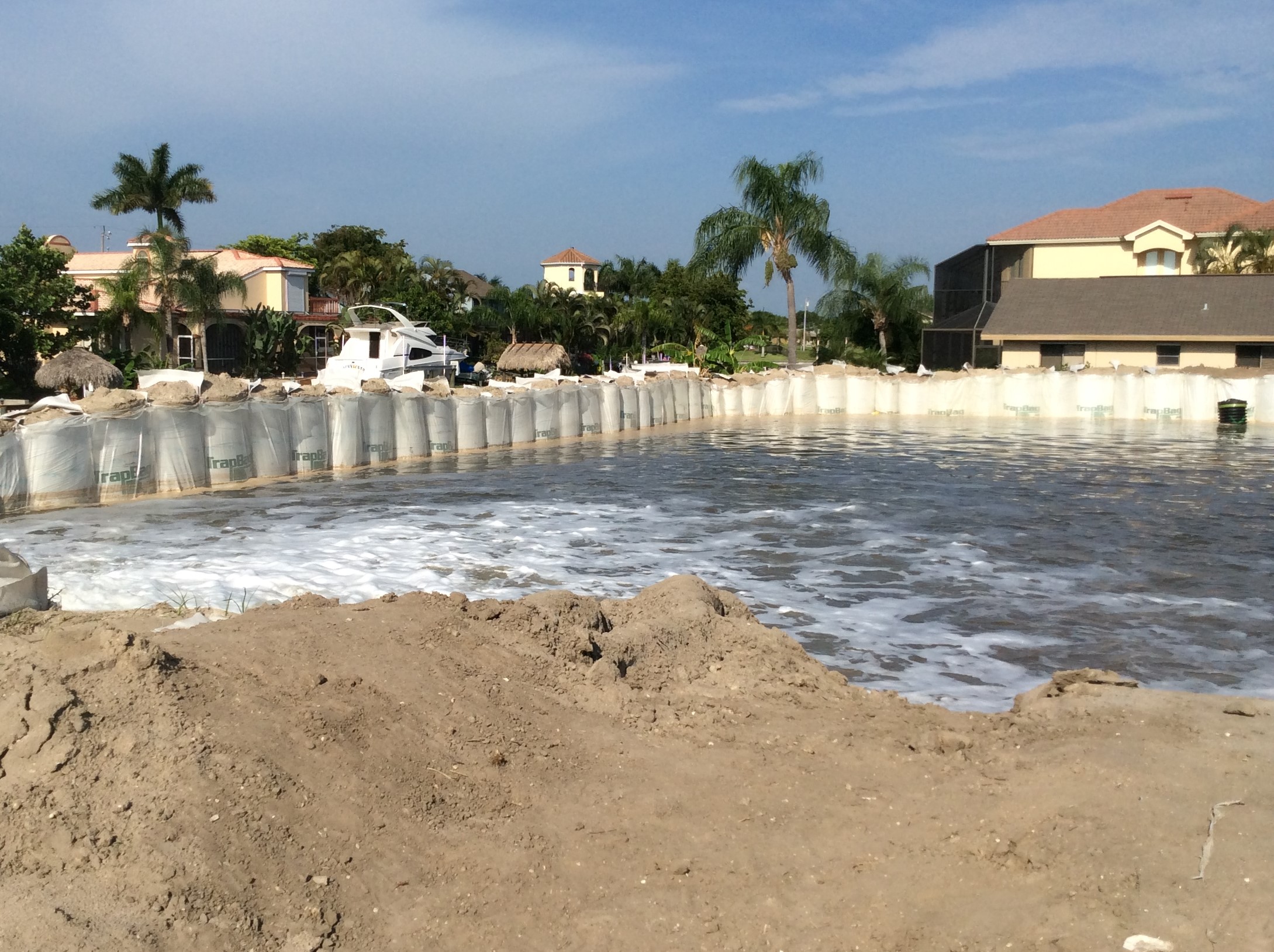
Quickly installed flood protection structures like TrapBags are transforming how agencies respond to floods. These cellular barriers can be deployed rapidly using heavy machinery, creating temporary levees, seawalls, or cofferdams in a matter of hours. Once filled with sand, gravel, or similar materials, they form a stable, durable barrier that outperforms traditional sandbags.
Early Warning Systems
Early warning systems combine weather forecasting, hydrological models, and communication technology to alert communities before flooding occurs. When paired with rapid-response flood control techniques such as TrapBag barriers, they help minimize property damage and save lives.
Flood-Resistant Design & Architecture
Modern flood control methods go beyond infrastructure. Incorporating flood-resistant materials, raised foundations, and improved drainage into new construction enhances community resilience. Combining engineered flood control structures with smarter building design offers long-term protection.
Choosing the Right Flood Control Method
Selecting the right flood control system depends on your community’s terrain, risk level, available resources, and long-term goals. What works for a coastal municipality facing storm surges may not suit an inland community dealing with flash floods or overflowing rivers.
When evaluating flood control measures, consider:
- Speed of deployment: How quickly can the method be installed when flooding is imminent? Permanent structures like levees take time to build, while deployable systems such as TrapBags can be installed within hours.
- Durability and lifespan: Some flood control techniques are designed for short-term use, while others—like concrete seawalls or TrapBag Fabric Forming Systems—can serve for years.
- Environmental impact: Green infrastructure and modular barriers can minimize disruption to ecosystems compared to large-scale concrete structures.
- Maintenance needs: Systems that require frequent upkeep or specialized equipment can strain budgets over time.
- Adaptability: Flood conditions change. Flexible flood control structures that can be added to, relocated, or repurposed provide long-term value.
- Cost-effectiveness: Balancing up-front investment with performance and reuse potential ensures responsible budgeting, especially for government agencies or large-scale contractors.
By weighing these factors, decision-makers can combine traditional and modern flood control methods to create a layered, resilient defense strategy.
Why TrapBag Barriers Stand Out
TrapBag barriers offer a reliable and cost-effective approach to flood control and protection. Designed for fast installation and exceptional stability, each TrapBag unit is sloped on one side and vertical on the other, concentrating roughly 60% of its mass in the lower half to resist tipping and withstand heavy water pressure.
TrapBags can serve as:
- Temporary or semi-permanent levees and seawalls
- Coastal erosion control barriers
- Riverbank reinforcements
- Flood diversion structures for infrastructure or construction sites
They’re made from high-strength woven polypropylene and can be filled with sand, gravel, or small rocks using heavy machinery. For long-term installations, TrapBag’s Fabric Forming System allows for concrete filling to create durable seawalls and retaining walls.
TrapBags have been used worldwide for disaster response, erosion prevention, and infrastructure protection and provide practical, scalable solutions to flooding for agencies and contractors.
Property-Level Flood Protection Is an Important Part of Any Flood Control Plan
Large-scale flood control measures like levees, stormwater systems, and temporary flood barriers help reduce the overall impact of flooding, but they can’t eliminate every risk. During heavy rainfall or flash flooding, water often finds its way into garages, doorways, storefronts, and other low-lying entry points, making property-level protection an essential part of a comprehensive flood preparedness strategy.
Homeowners and property managers can improve their resilience by installing reusable flood protection systems designed for vulnerable openings. Solutions such as flood barriers for doors and garages provide an added layer of defense when rising water threatens a building, helping reduce water intrusion and minimize costly damage.
If you’re preparing your property before the next storm, explore our home flood protection solutions to learn about reusable barriers designed for residential and light commercial applications.
Reliable Flood Control Measures Start with Preparation
Communities that plan ahead recover faster and minimize losses. Whether you need a short-term barrier for emergency response or a long-term flood control structure, TrapBag can help you implement proven flood control techniques that are durable, cost-effective, and ready for deployment worldwide. Contact the TrapBag team today to discuss your project and request a quote on a trusted flood protection system.
Frequently Asked Questions
What are the most effective flood control methods?
The best flood control methods combine traditional structures—like levees, dams, and floodwalls—with modern techniques such as deployable barriers, flood sensors, and green infrastructure. Using a layered approach allows communities to manage both immediate threats and long-term resilience.
What is the difference between flood control and flood protection?
Flood control focuses on managing water flow and reducing flood risks using engineered structures or natural systems. Flood protection refers to the physical barriers or actions—like TrapBag barriers or seawalls—that directly prevent water from entering protected areas.
How do modern flood control systems improve over traditional methods?
Modern flood control systems integrate technology, mobility, and sustainability. Flood sensors, early warning systems, and portable barriers offer faster response and better adaptability than older infrastructure alone.
What materials are used in flood control structures?
Materials vary depending on purpose and permanence. Common materials include concrete, steel, earth, and woven polypropylene (used in TrapBag barriers). For eco-friendly flood control measures, green infrastructure often uses vegetation and permeable surfaces.
How can TrapBags help during a flooding event?
TrapBags can be rapidly deployed by a small team with heavy equipment to build strong, stable barriers within hours. They’re ideal for protecting infrastructure, reinforcing levees, and redirecting floodwaters during emergencies.
Meet the author

Nick Fasano
Nick Fasano is Business Development Director at TrapBag®, where he oversees operations, growth strategy, and customer success. Since joining in 2018, he has helped lead projects across the U.S. and internationally, including deployments in Florida that protected infrastructure during Hurricanes Ian and Nicole.
Get the Dirt Before the Flood Hits
Stay ahead of flooding, erosion, and disaster response challenges. The Dirt, TrapBag’s monthly newsletter, delivers field-tested tips, real-world case studies, and the latest in barrier technology straight to your inbox.