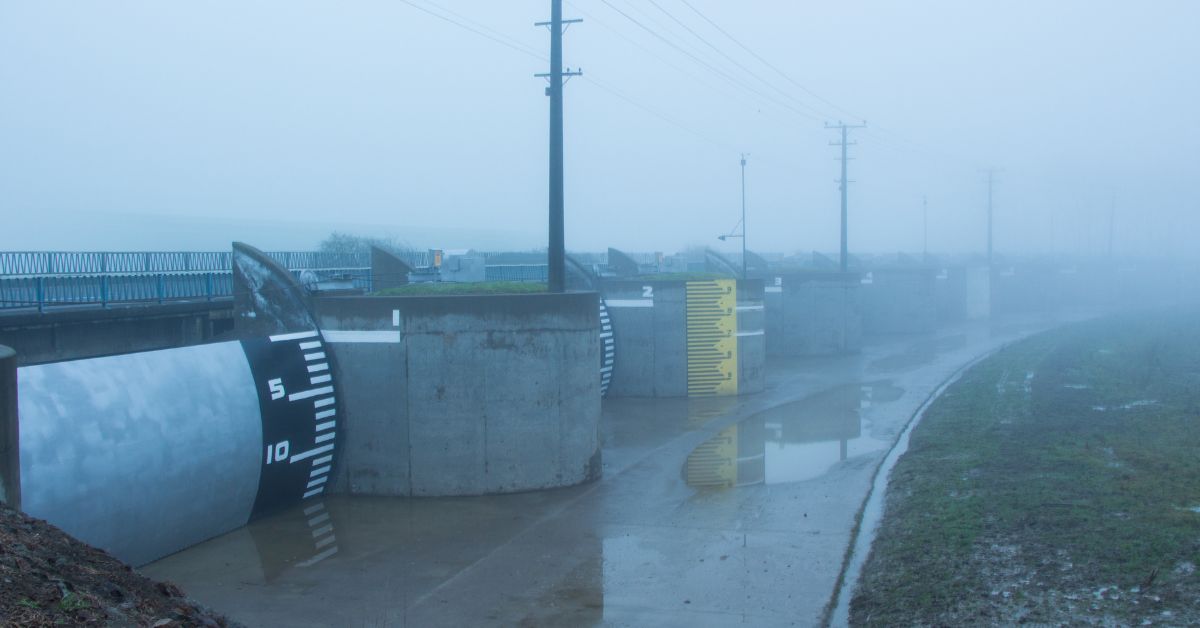
Smarter Flood and Erosion Solutions for Cambodia
Rapid-Deployment Flood Barriers
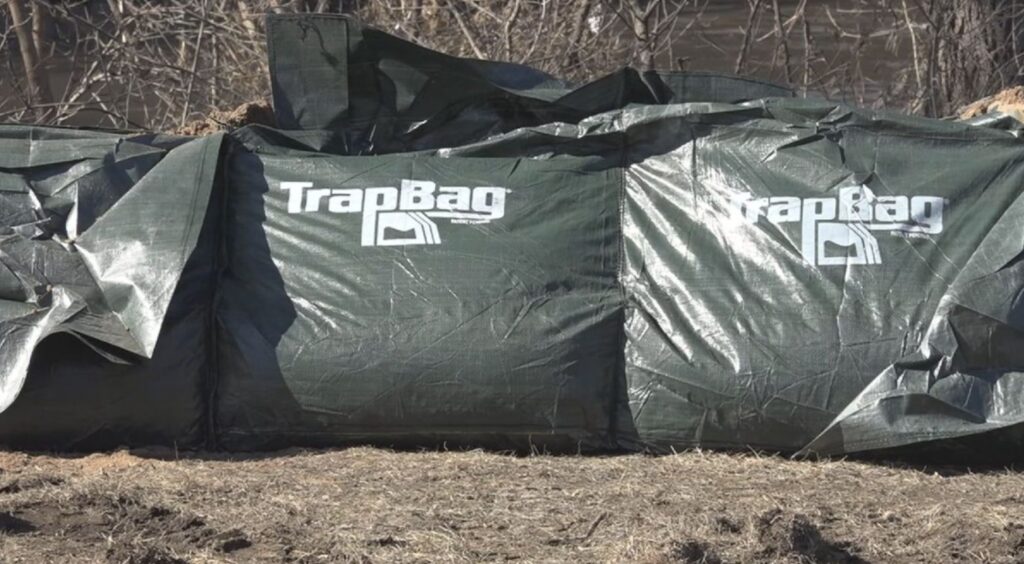
Monsoon floods can rise within hours. TrapBag barriers can be deployed quickly using standard machinery, replacing thousands of sandbags while saving time, labor, and cost on large-scale projects.
Learn More »Erosion Barriers
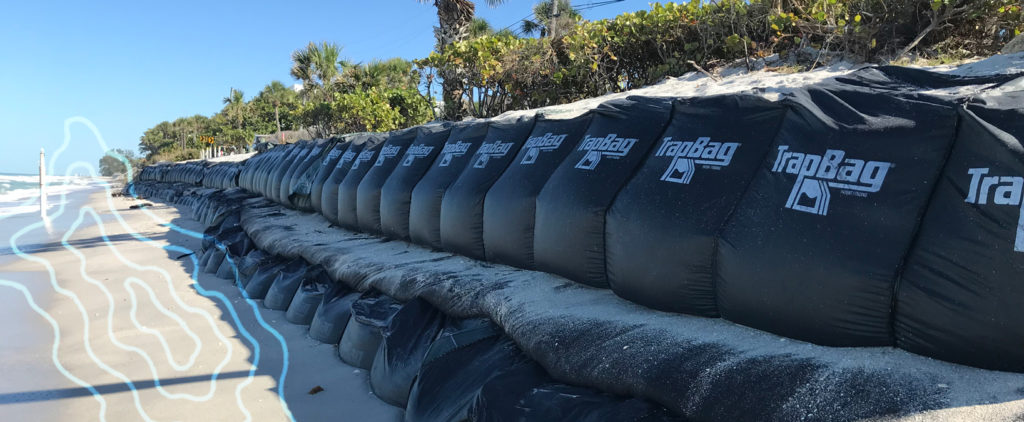
Cambodia’s coasts and riverbanks are losing land to wave action and strong currents. Our double-layer erosion barriers deliver the strength and stability needed to protect roads, ports, and critical shoreline infrastructure.
Learn More »Reusable Cofferdam Bags
Major infrastructure and dredging projects often require dry working zones in wet environments. TrapBag Cofferdam Bags are reusable, high-performance containment systems designed for fast setup and removal on civil and marine projects.
Learn More »Projects

Who We Serve In Cambodia
TrapBag® offers flood protection and detention barriers for dozens of industries and municipalities throughout Cambodia.
Municipalities and Government Agencies
Our systems help protect roads, bridges, and public infrastructure during the country’s annual wet season.
Learn More »Construction, Mining, and Industrial Operations
Industrial sites, mines, and large construction projects use TrapBag barriers for flood control, spill containment, and site protection.
Learn More »Civil and Coastal Engineering Firms
Engineering teams trust TrapBag’s Fabric Forming System for seawalls, retaining walls, and permanent shoreline armoring.
Learn More »What's At Stake?
Intensifying Monsoon Flooding
Cambodia’s annual monsoon brings fast-rising water that threatens roads, bridges, and low-lying communities. TrapBag barriers help agencies respond quickly as water levels rise, creating an effective water barrier that protects transportation routes, public assets, and temporary work zones.
Accelerating Riverbank and Coastal Erosion
The Mekong, Tonlé Sap, and coastal provinces continue to lose land due to strong currents and wave energy. Without proper stabilization, communities face road loss, port disruption, and damage to shoreline infrastructure. TrapBag’s double-layer erosion barriers support long-term shoreline stability when installed in pairs.
Large-Scale Infrastructure at Risk
Dredging, bridge construction, and industrial expansion often take place in flood-prone or waterlogged areas. TrapBag Cofferdam Bags provide a reusable containment option that supports dry working zones for contractors and engineering teams managing complex civil and marine projects.
Why Choose TrapBag?
-

Engineered Strength
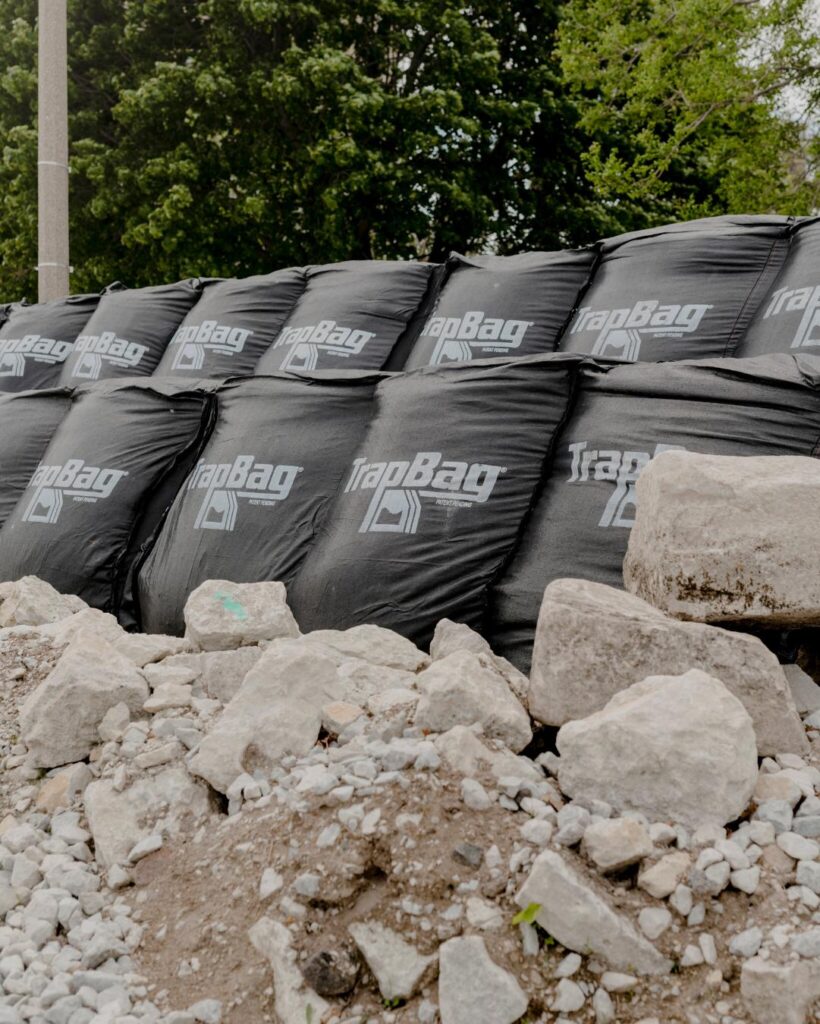
Each TrapBag barrier is built from woven polypropylene and geotextile fabric for long-term durability. With most of the mass concentrated at the base, these barriers resist tipping and displacement in fast-moving water.
-

Smart Design
TrapBag’s connected cellular structure forms a unified wall that stays intact even if one cell is damaged. For coastal defense, we recommend installing two barriers back-to-back for the best resistance to wave energy.
-

Fast, Scalable Installation
TrapBag barriers can be deployed rapidly with skid steers or excavators, allowing teams to respond quickly to rising water. Base rows are filled first to ensure stability before stacking higher rows.
How TrapBag® Compares to:
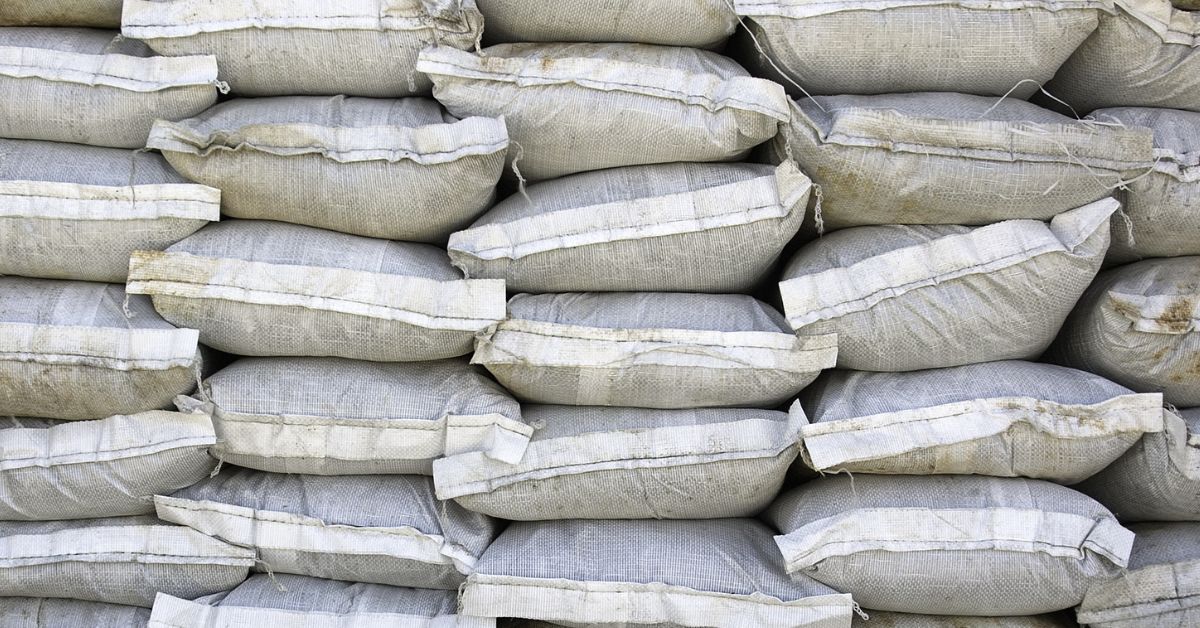
Sandbags demand heavy labor and can fail under fast-moving water. TrapBag barriers replace thousands of sandbags with a single, fast-installed cellular wall that resists tipping and displacement.
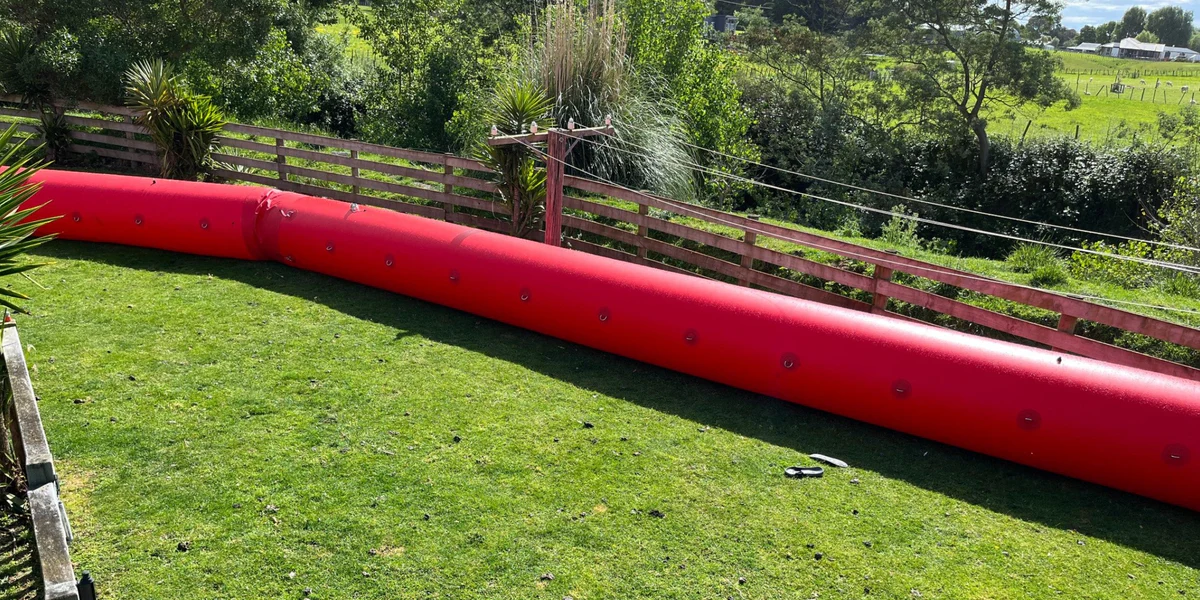
Water-filled systems rely on local water availability and offer limited height and stability in areas with debris or strong currents. TrapBag barriers arrive ready to fill with sand, gravel, small rock, or other heavy materials, creating a dependable structure that performs well in flood and erosion settings.
Permanent flood walls are costly and slow to construct. TrapBag delivers a more flexible, scalable approach for both temporary and semi-permanent installations. Agencies can deploy barriers rapidly during emergencies, extend existing levees, or reinforce vulnerable corridors without major construction timelines.