Smarter Flood and Erosion Protection for Bangladesh
Rapid-Deployment Flood Barriers
Monsoon-fed rivers can rise within hours. TrapBag barriers install quickly with standard machinery, reinforcing embankments, protecting roads, and replacing thousands of sandbags on large-scale flood response efforts.
Learn More »Erosion Control
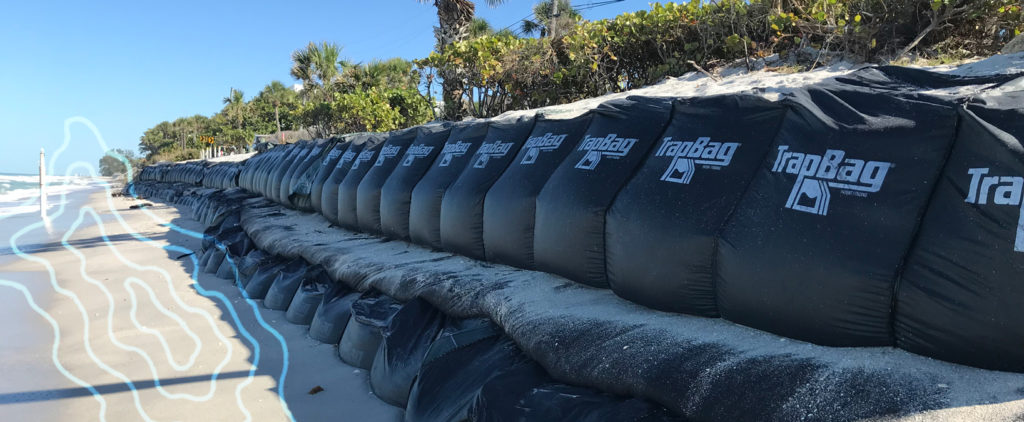
Riverbank and coastal erosion threaten transportation corridors and shoreline infrastructure. TrapBag’s double-layer barriers offer added resistance for heavy currents, and paired installations help maintain long-term stability.
Learn More »Reusable Cofferdam Bags
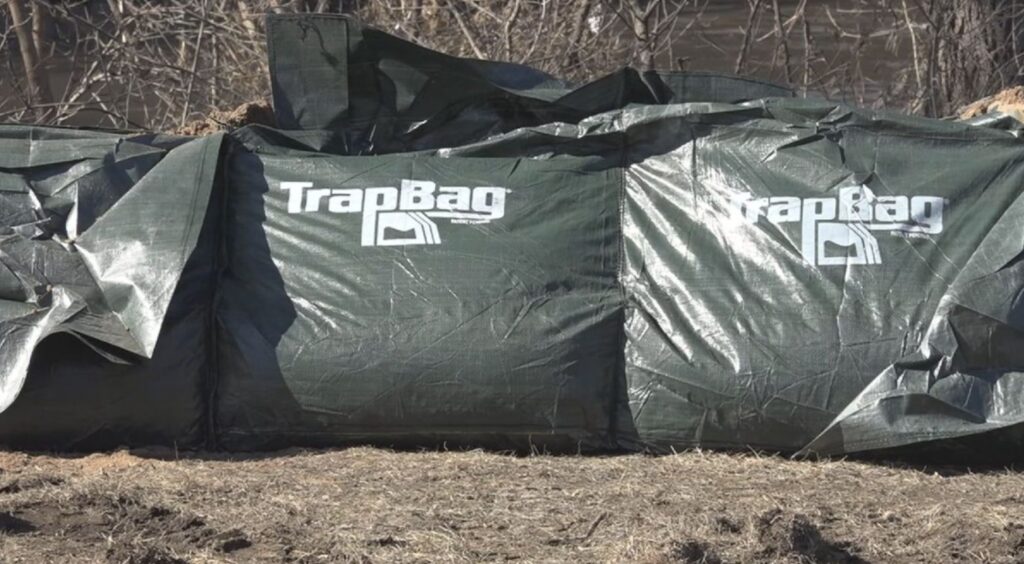
Civil and marine projects often require dry working zones in challenging water conditions. TrapBag Cofferdam Bags provide a reusable containment option that teams can set up and remove efficiently across multiple jobs.
Learn More »Projects

Who We Serve In Bangladesh
TrapBag® offers flood protection and detention barriers for dozens of industries and municipalities throughout Cambodia.
Government and Municipal Agencies
TrapBag supports agencies responsible for embankment reinforcement, river training works, emergency flood response, and the protection of critical public assets.
Learn More »Construction, Industrial, and Energy Sectors
Large project sites—including power, manufacturing, and industrial facilities—use TrapBag systems for flood control, site protection, temporary containment, and work zone separation.
Learn More »Civil and Coastal Engineering Firms
Engineering teams use TrapBag barriers for riverbank protection, shoreline stabilization, and to support long-term infrastructure resilience alongside larger coastal projects.
Learn More »What's At Stake?
Worsening Monsoon Flooding
Bangladesh experiences widespread seasonal flooding that threatens millions of people and major transportation and utility networks. TrapBag barriers support faster reinforcement during peak rainfall and river surge events.
Accelerated Riverbank Erosion
Some districts lose significant land every year, placing roads, farmland, and communities at risk. TrapBag barriers help stabilize shifting banks and protect areas close to critical infrastructure.
Coastal Land Loss
Rising seas and wave action continue to reshape Bangladesh’s coastal belt. With back-to-back installation, TrapBag’s erosion systems help strengthen shorelines and reduce land loss near ports, embankments, and low-lying settlements.
Why Choose TrapBag?
-

Engineered Strength
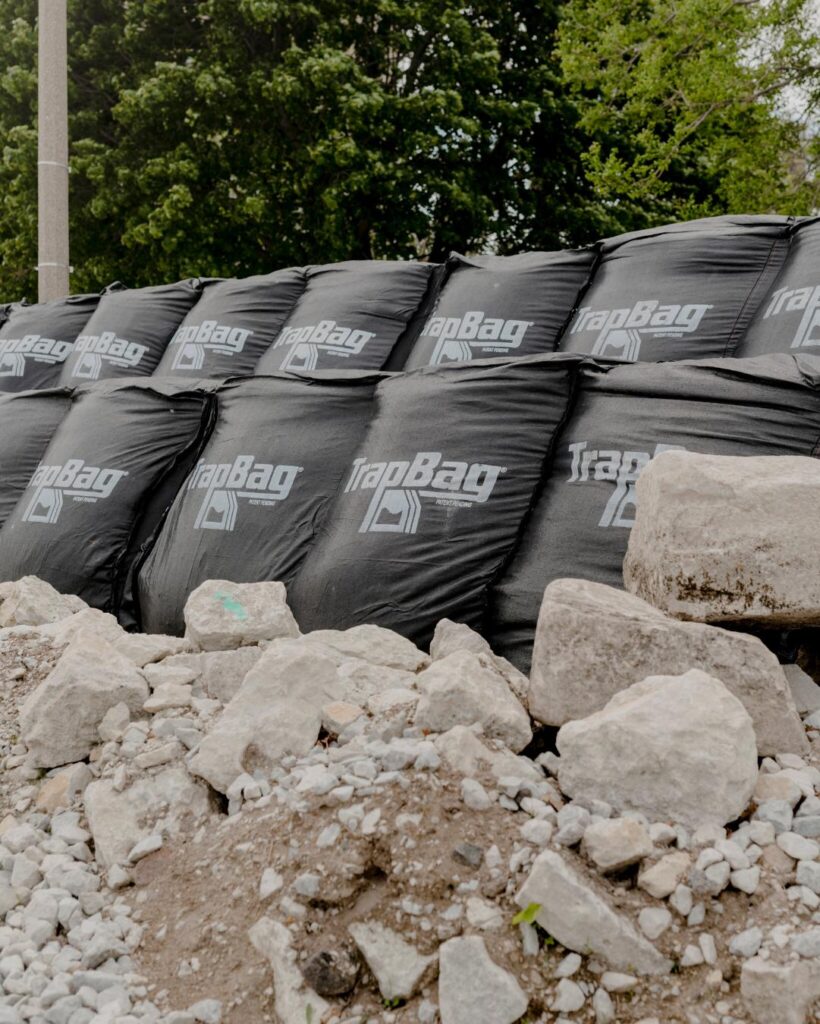
TrapBag barriers are made from woven polypropylene for long-term durability. The shaped design concentrates most of the mass at the base, helping the system stay upright and maintain stability in fast-moving water or shifting ground.
-

Smart Cellular Design
Every TrapBag unit connects to form a unified wall. Even if one cell is compromised, the overall structure remains intact. For coastal and riverbank defense, two barriers placed back-to-back provide greater resistance to wave energy and scouring.
-

Fast, Scalable Installation
Contractors and emergency crews can deploy TrapBag systems quickly using excavators or skid steers. Base rows are filled first for stability before stacking additional rows for added height or extended protection.
How TrapBag® Compares to:
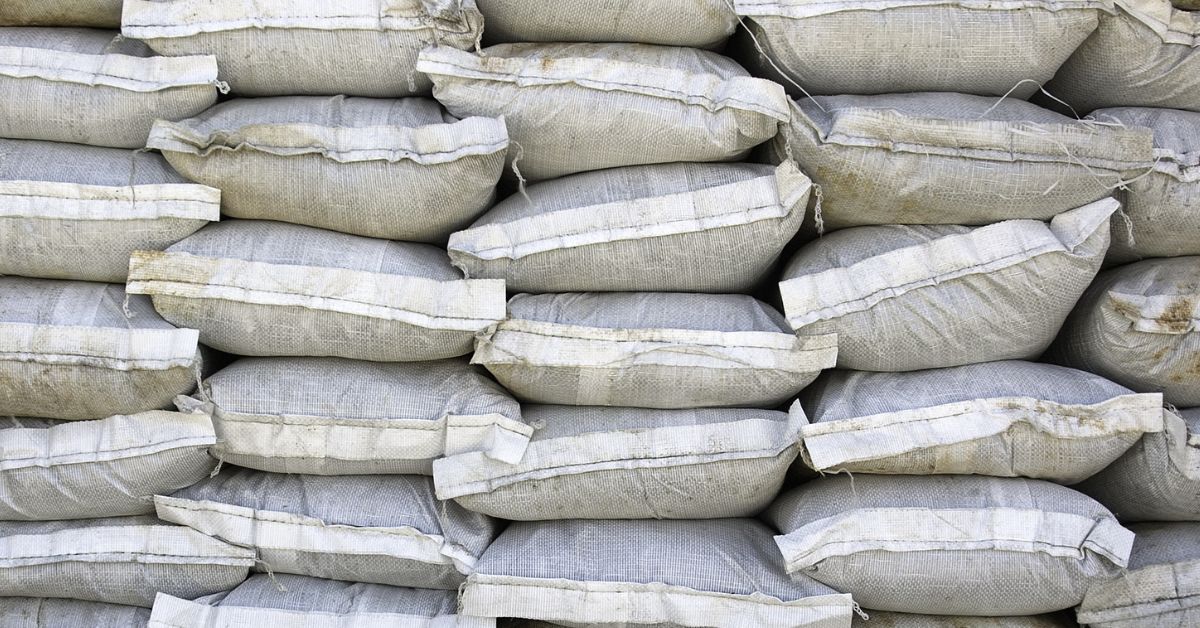
Sandbags require extensive labor and are prone to gaps and weak points. TrapBag barriers replace large volumes of sandbags with a consistent, stable wall that installs far faster on large projects.
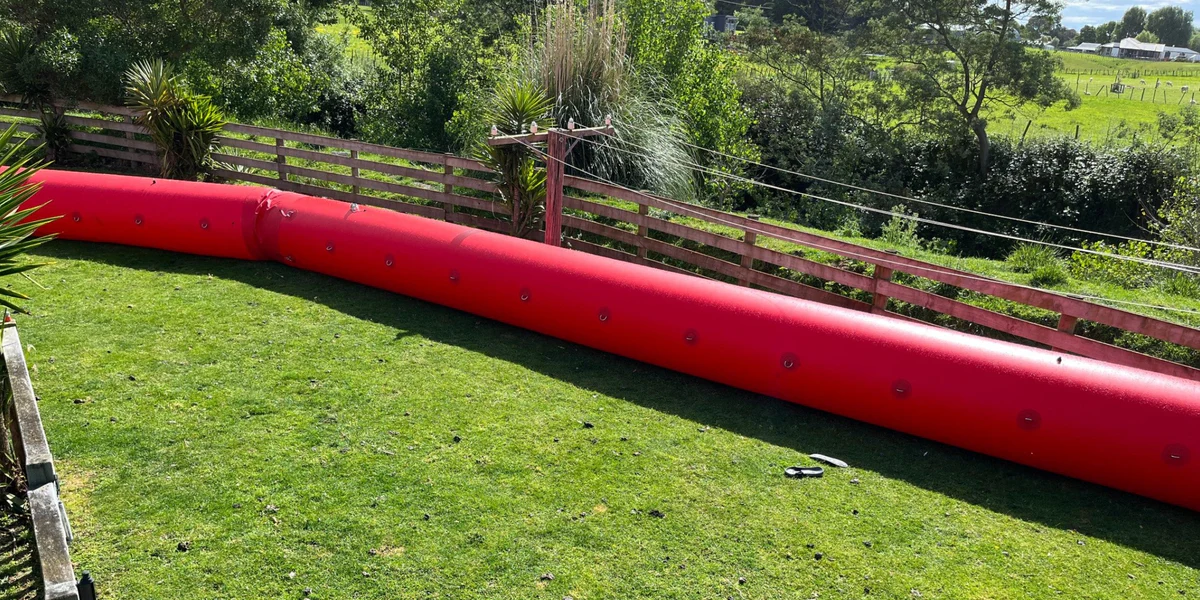
Water-filled systems depend on local water access and have limited height and durability. TrapBag barriers arrive ready to fill with sand, gravel, or small rock, creating dependable structures that withstand moving water and debris.
Permanent flood walls take time, money, and specialized construction. TrapBag offers a flexible, rapidly deployable alternative for temporary or semi-permanent protection without the delays of a full construction timeline.