
Project Specifications
Product used: TrapBag® erosion and flood control barriers
Installation configurations: Deflection barriers, linear diversion systems, slope check dams
Material: High-strength woven polypropylene geotextile with dual-layer construction
Fill material: Locally sourced sand, gravel, and soil
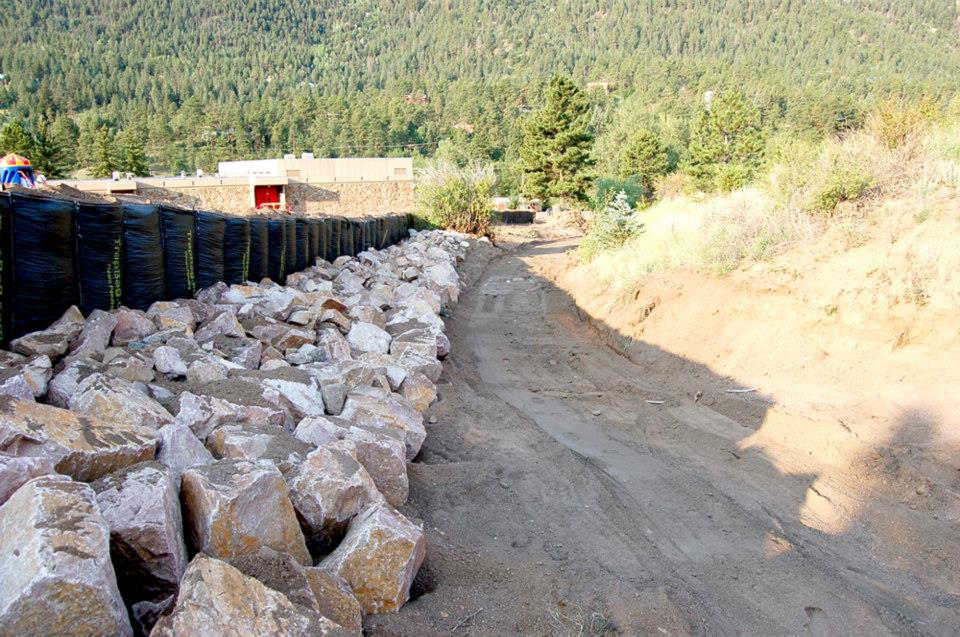
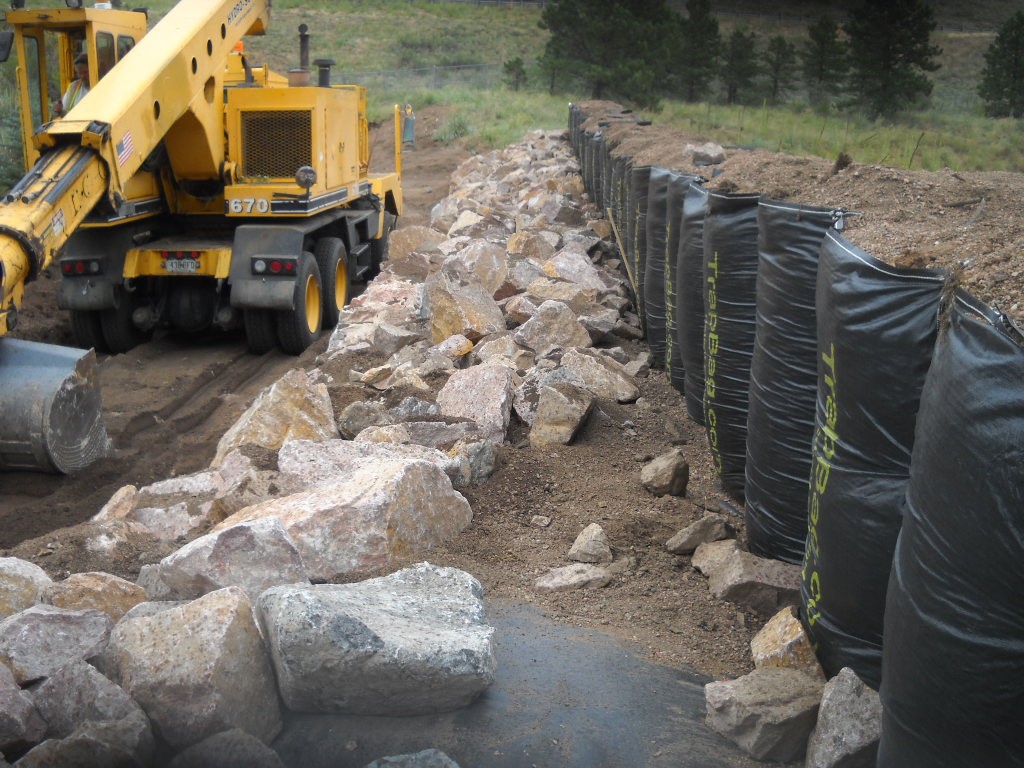
Reinforcement: Integrated with rock armoring and drainage improvements where needed
Initial Solution
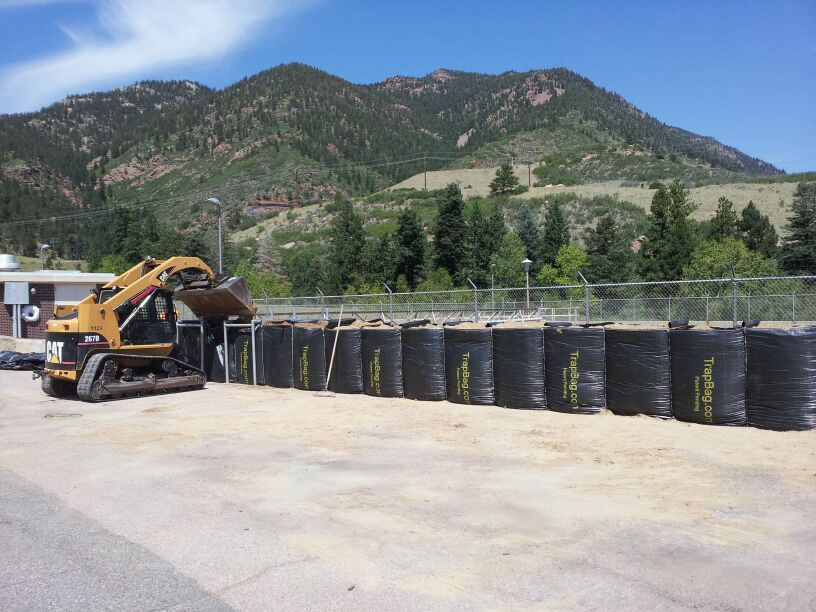
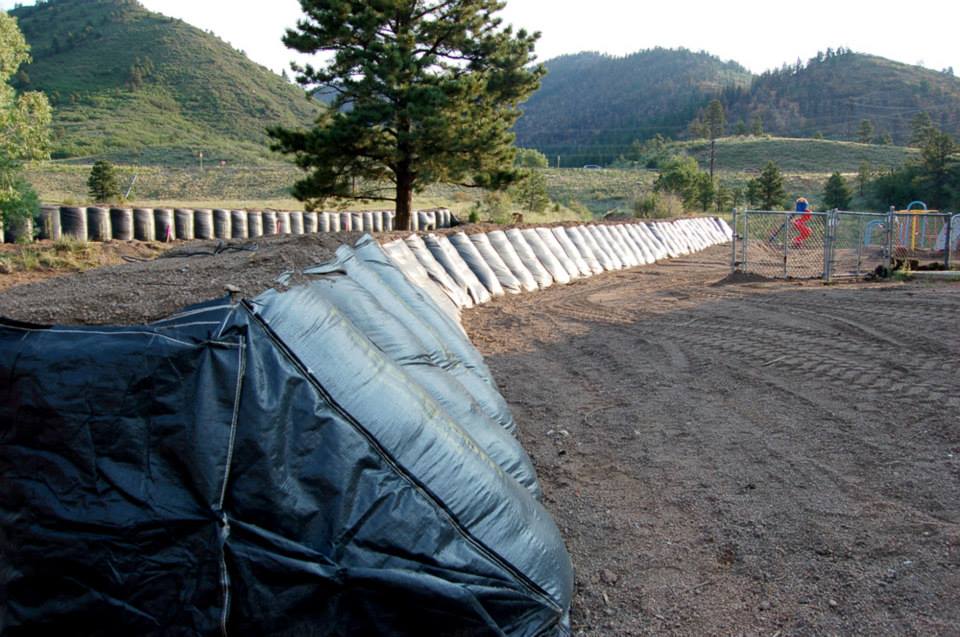
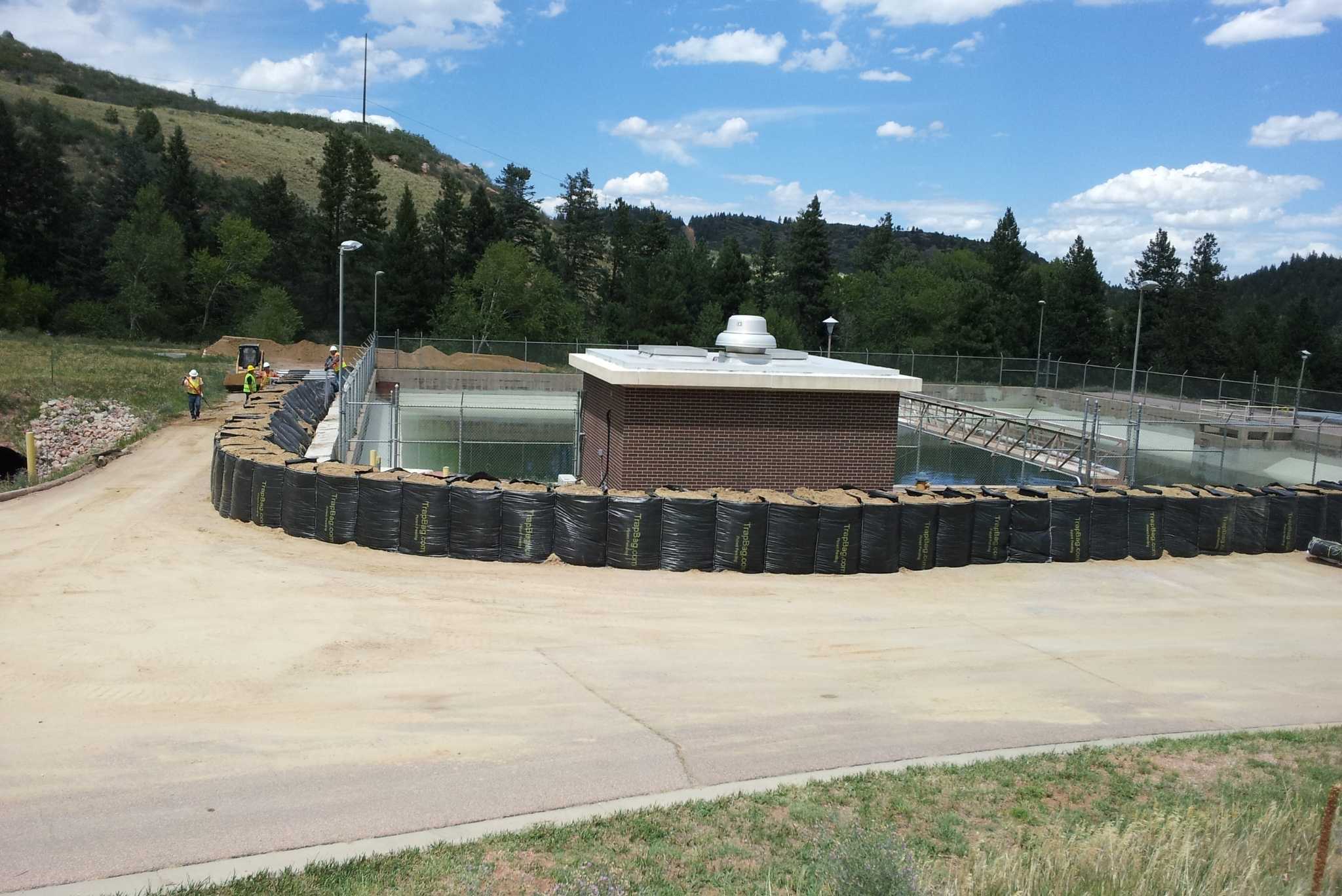
TrapBag® cellular barriers were deployed across multiple sites as part of a coordinated post wildfire mitigation effort, providing adaptable protection where rigid structures were impractical.
Installations included:
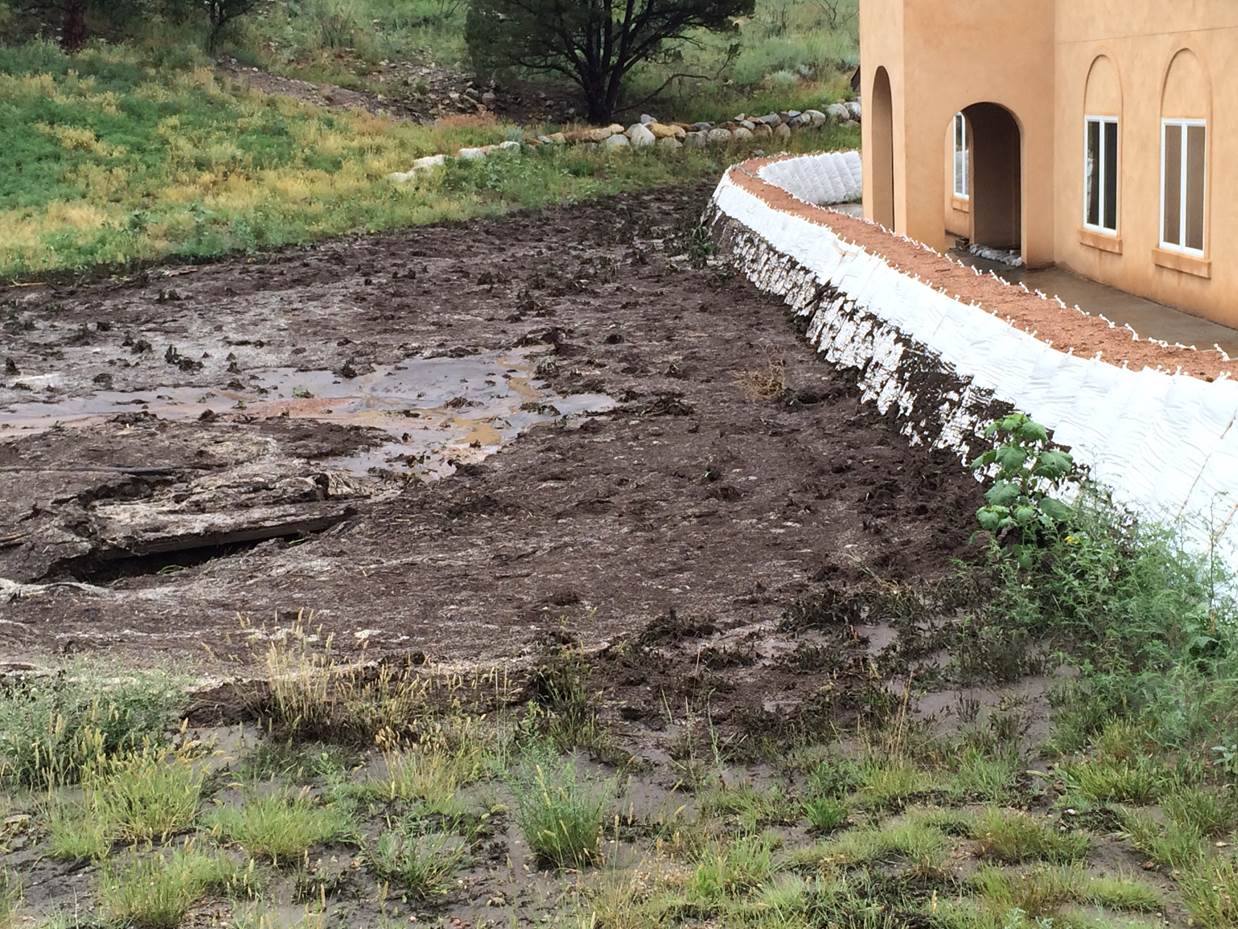
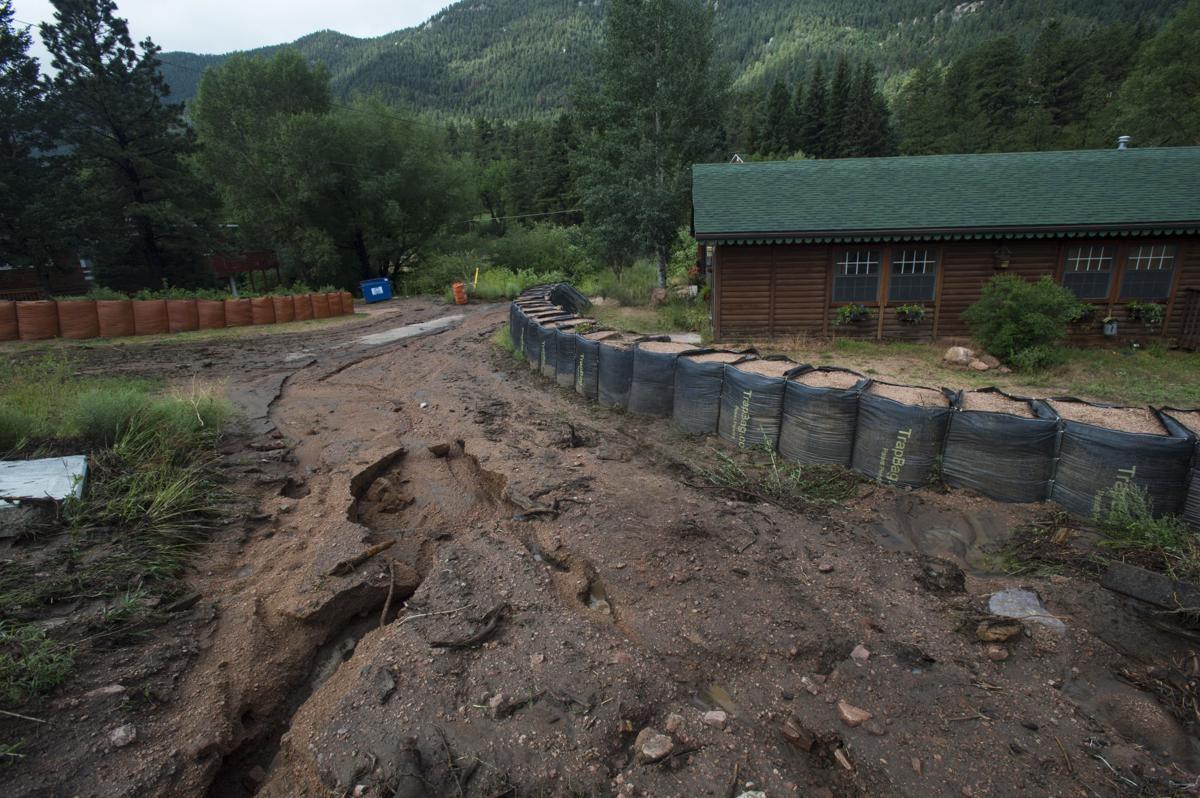
- Deflection barriers to redirect mudflows away from homes, schools, and occupied facilities
- Linear diversion systems guiding debris into designated channels and collection areas
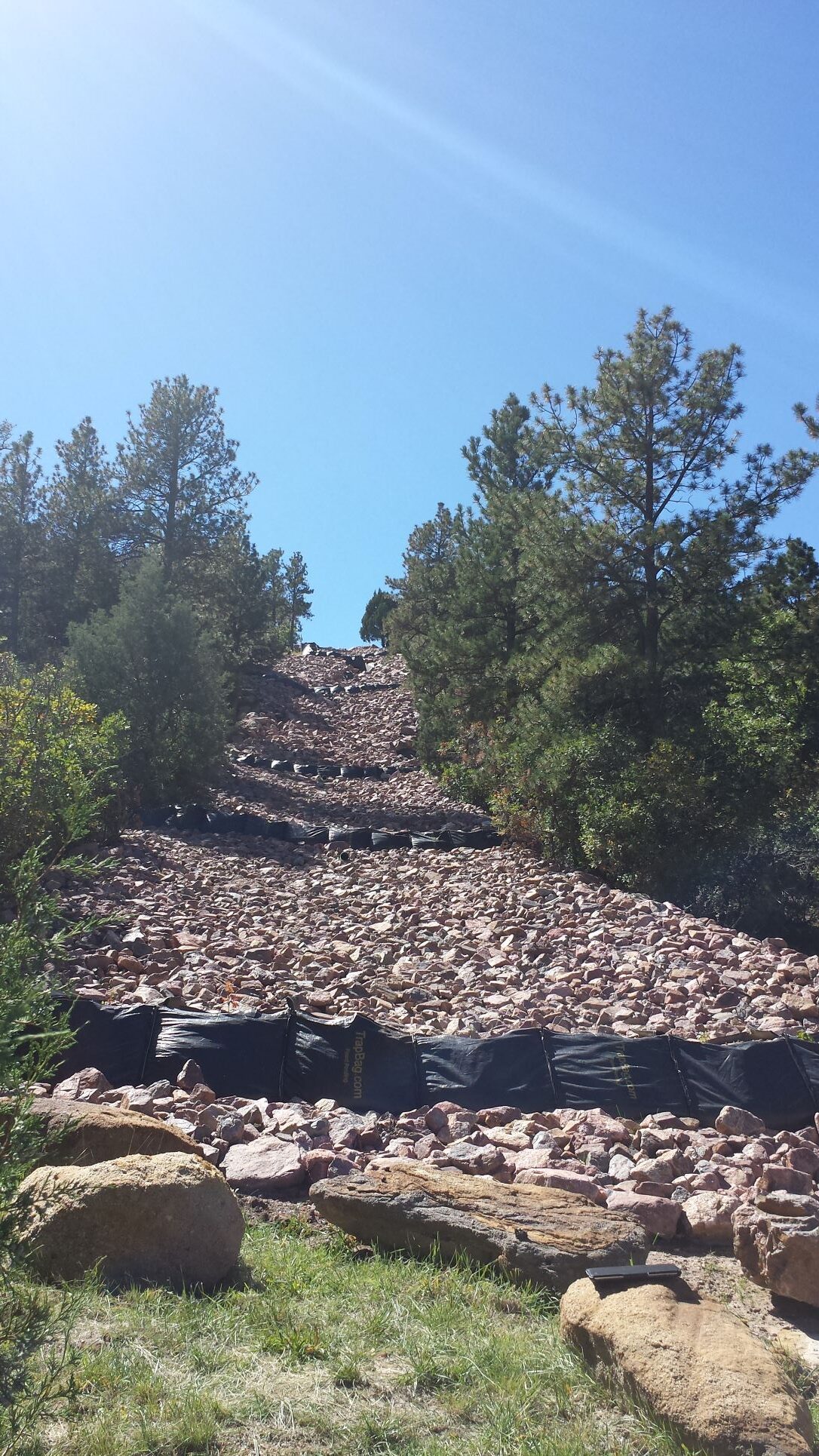
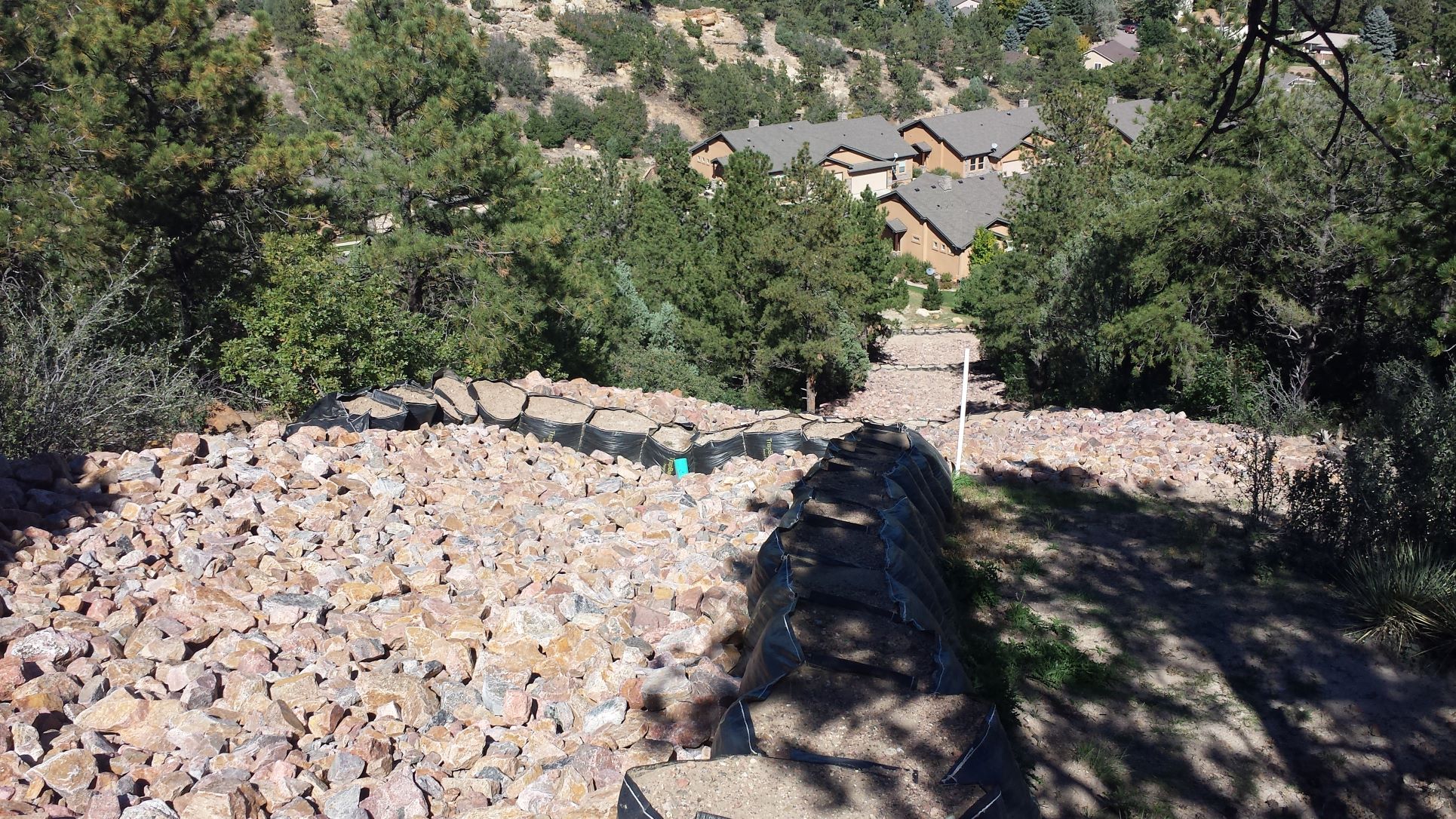
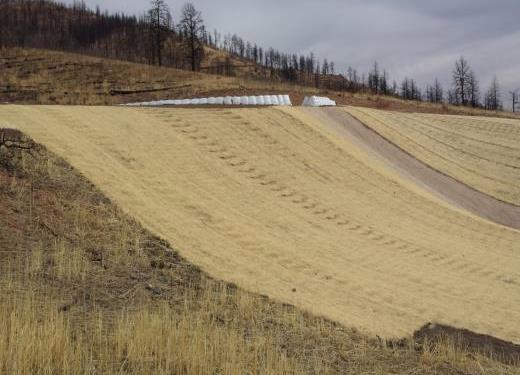
- Slope check dams installed along steep grades to slow flow velocity and encourage sediment deposition
Unintended Longevity
Although initially deployed as emergency mitigation, many TrapBag® installations remained in place through multiple seasons. Their durability under repeated debris impacts allowed communities to maintain protection while long-term watershed stabilization and revegetation efforts progressed.
Project Expansions and Reinforcements
As erosion patterns evolved, TrapBag® alignments were adjusted in the field and expanded as needed. In several locations, the systems were paired with rock armoring and drainage improvements to create layered protection capable of managing changing flow paths and sediment loads.
Performance
TrapBag® systems performed consistently during repeated rain events following the wildfire, including high-intensity storms that produced fast-moving, debris-laden flows. The barriers resisted impact from rocks and woody debris, reduced flow velocity, and promoted sediment deposition upslope, limiting downstream damage.
Performance highlights included:
- Stable barrier performance under repeated debris impacts
- Effective redirection of mudflows away from critical infrastructure
- Continued function during multiple runoff seasons following the fire
Key Outcomes
- Protected residential neighborhoods, schools, and critical facilities from post wildfire mudflows
- Redirected debris flows and reduced downstream damage risk
- Enabled rapid deployment and field adjustments as site conditions changed
Conclusion
The Waldo Canyon Fire highlighted the prolonged risks communities face long after flames are extinguished. In Colorado Springs and surrounding foothill communities, TrapBag® systems provided an effective water barrier that adapted to evolving conditions and delivered dependable performance during a vulnerable recovery period.
By combining rapid installation, field flexibility, and durable construction, TrapBag® cellular barriers demonstrated their value beyond traditional flood applications. Coverage of these deployments can be found here:
- https://krdo.com/news/2013/10/02/inventor-of-flood-control-barrier-visits-area/
- https://gazette.com/2012/08/02/cleanup-flood-control-approved-for-ute-pass-school-ad1f7156-644c-5484-b9fd-41e29b0ec221/
- https://www.cbsnews.com/colorado/news/volunteers-continue-to-clean-up-in-manitou-springs/
- https://gazette.com/2015/08/11/limited-colorado-springs-storm-damage-shows-success-of-flood-mitigation-bcf2ff80-757c-50c3-9be3-98b45925aa16/
Installation Highlights
- Multi-cell cellular barrier configurations used for deflection, diversion, and slope control
- Double-layer woven polypropylene geotextile for abrasion and debris impact resistance
- Filled with locally sourced sand, gravel, and soil using standard construction equipment
- Installed in adaptable alignments to match changing flow paths and steep terrain conditions